
Reviewed · UBUD DAY TRIPS
Ubud Pottery Ceramic Class in Bali
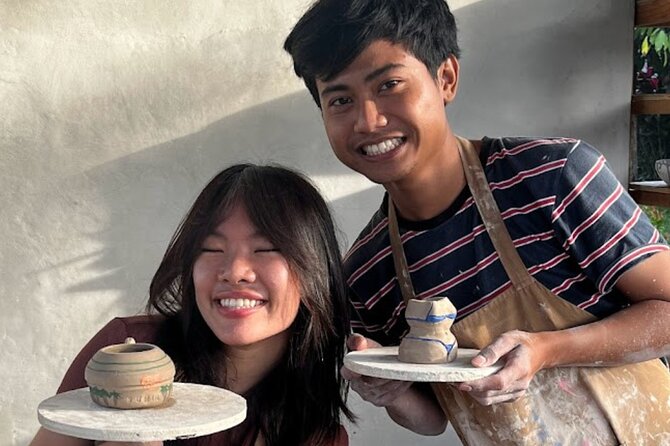
The best part of this Bali pottery class is that you make the objects yourself. With 2kg of clay, you learn basic hand building and wheel throwing, then shape pieces that carry your own fingerprints rather than coming from a souvenir shop.
I like the small maximum of 10 people, which should give you useful attention from the instructors. I also like the garden setting and the chance to make two pieces, one by hand and one on the wheel. The main catch is location: Tana Ampo Pottery Studio is in Singapadu, roughly 30 minutes from central Ubud before traffic slows the ride.
In This Review
- Key points to know
- Making pottery in Singapadu, not central Ubud
- A three-hour lesson with two ways to work
- What your 2kg of clay means
- Meeting local instructors at the studio
- A calm garden setting adds to the experience
- Why this is more than a souvenir stop
- Taking your pottery home requires planning
- Is $31.31 a fair price?
- Who will enjoy this class most?
- What the posted feedback suggests about quality
- How to plan your day around the class
- My verdict: book it if you want to make, not just see
- FAQ
- Where does the pottery class take place?
- Is the class in central Ubud?
- How long does the activity last?
- How much clay is included?
- Can I use a pottery wheel?
- Will I also make pottery by hand?
- How many people can join the class?
- Can I take my pottery home?
- Is transportation included?
- Can I cancel for a refund?
Key points to know
- Two pottery methods: Make one piece by hand and another on the wheel.
- 2kg of clay included: Enough material for a pair of beginner projects.
- Small class size: A maximum of 10 people keeps the lesson personal.
- Garden studio setting: The work takes place in a calm, attractive environment.
- Plan ahead for finished pottery: Leave at least four remaining days if you want to take fired pieces home.
- Three hours at about $31.31: A fair price for instruction, clay, and a creative cultural activity.
Making pottery in Singapadu, not central Ubud
This class is marketed as an Ubud pottery experience, but the actual meeting point is Tana Ampo Pottery Studio at C793+8PH, Central Singapadu, Sukawati, Gianyar Regency, Bali 80582.
That distinction matters. Singapadu is outside central Ubud, and the drive from central Ubud can take around 30 minutes or longer when traffic is heavy. The broader location label may also show Nusa Dua, so check the meeting point carefully before booking. You do not want to arrive in Bali and discover that your pottery lesson is on the wrong side of the island.
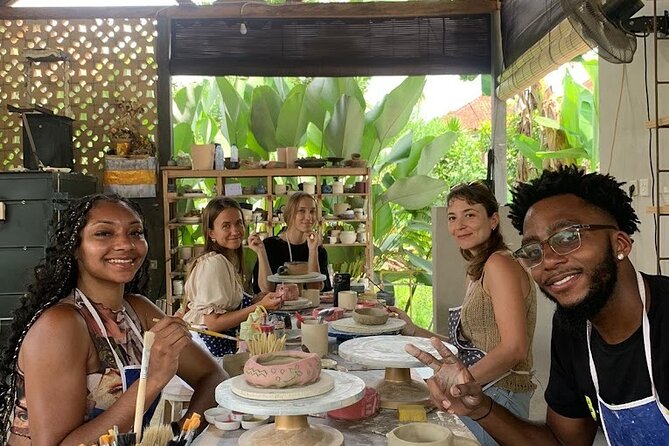
The studio is a useful change from the usual Ubud schedule of rice-field walks, temple visits, shopping, and cafés. You spend the session working with clay in a garden setting, with local instructors showing you how the material behaves. The class ends back at the same meeting point.
More Ubud days from the south:
- Wonderful of Ubud Private Guided Tour
★ 5.0 · 78 reviews - Best of Ubud Full Day Private Guided Tour
★ 5.0 · 52 reviews - Bali ATV Ride Ubud Waterfall,RiceField,River,Kingkong-Temple cave
★ 5.0 · 38 reviews
A three-hour lesson with two ways to work
The class lasts about three hours. That gives you enough time to learn the basics without turning the activity into a full-day commitment.
The main appeal is the split between hand building and wheel work. One piece is made by hand, while another is made on the pottery wheel. These methods feel very different, and trying both gives you a better sense of what ceramic artists actually do.
With hand building, you can shape clay directly with your fingers and simple forming techniques. This approach is generally easier to understand at first because you can see and correct the shape as you work. It also leaves room for personal details and slightly irregular forms, which can be part of the charm of a handmade object.
The wheel demands more control. You need to center the clay, keep your hands steady, and guide the walls upward as the wheel turns. Beginners should expect a learning curve. The point is not to produce a perfect professional vase on the first attempt. The value is in learning the basic motion and seeing how quickly clay changes under pressure.
The instructors start with the fundamentals, making the lesson suitable for people who have never touched a pottery wheel. If you already have pottery experience, you may find the class more useful as a relaxed creative session than as advanced training.
What your 2kg of clay means
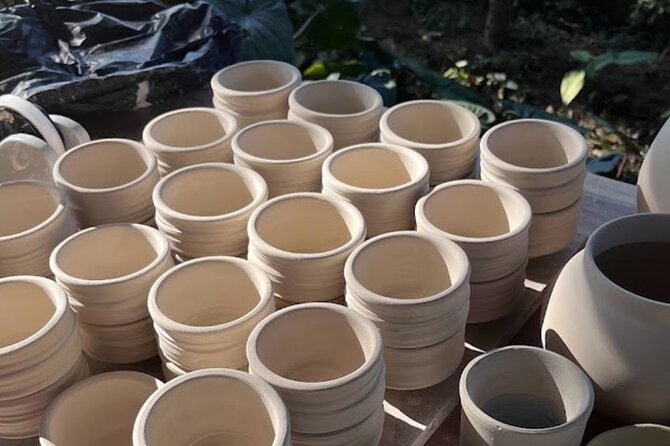
The included 2kg of clay is a practical amount for a short lesson. It allows you to make more than one small project, and the class structure uses that material for two different techniques.
You may produce a pair of modest pieces rather than one large vessel. That is a good setup for beginners because you can focus on learning instead of worrying about wasting all your material on a single attempt.
Your work may show the marks of the learning process. Uneven walls, fingerprints, and small changes in shape are normal when you are starting out. The class is about forming an object and understanding the process, not matching factory-made ceramics.
The description promises unique pottery pieces, but the final result depends on your skill and the time available. You should arrive ready for trial and error. Clay is forgiving in some ways, but it also collapses, cracks, or loses its shape when handled too forcefully.
Meeting local instructors at the studio
The lesson is guided by local pottery instructors who teach the basic techniques and help you work through the process. Specific instructor names are not provided, so you should not book expecting a particular named teacher.
What is clear is that the teaching begins with the basics. That matters for families, couples, and friends who want an activity everyone can follow, even if nobody in the group has made ceramics before.
The class has a maximum of 10 participants. That is small enough to make questions practical. Wheel throwing often requires quick correction, especially when the clay begins to lean or spread. A smaller group should make it easier to receive help than in a large workshop.
The teaching style appears to combine instruction with practice. You are not simply watching an artisan make a pot. You work with the clay yourself, receive guidance, and make decisions about shape and decoration.
More days out booked from Nusa Dua:
- Nusa Penida One Day Trip with All-inclusive
★ 4.5 · 743 reviews - Bali Instagram Tour – Lempuyang Bali Gate of Heaven
★ 5.0 · 149 reviews - Bali Parasailing Adventure,Banana Boat,Jet Ski and Donut Boat with Transfers
★ 5.0 · 130 reviews - Devdan Show
★ 4.5 · 113 reviews
A calm garden setting adds to the experience
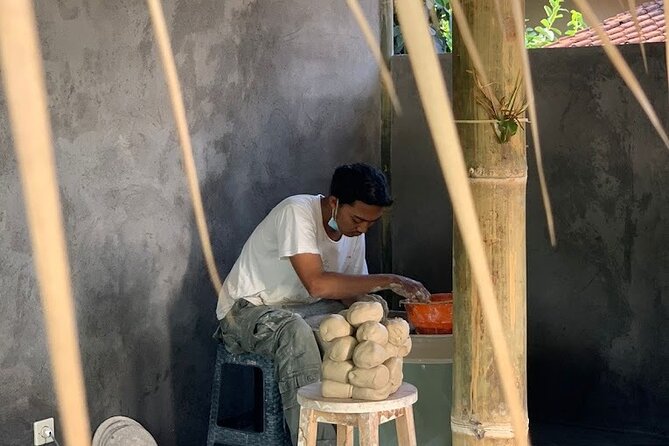
The studio is set in a beautiful garden. That does not change the mechanics of pottery, but it changes the mood of the lesson.
A garden setting gives you a quieter place to concentrate than a busy indoor attraction. The surrounding greenery can also make the class feel connected to Bali rather than like a generic craft workshop that could take place anywhere.
This is one of the activity’s strongest points for me. You get a cultural activity that is both educational and creative, without needing specialist knowledge. The setting gives you time to slow down and focus on a material that responds to touch, pressure, and patience.
Still, do not confuse a peaceful setting with a completely quiet experience. Pottery classes involve instruction, conversation, and the normal sounds of people working. The attraction is the relaxed atmosphere, not private solitude.
Why this is more than a souvenir stop
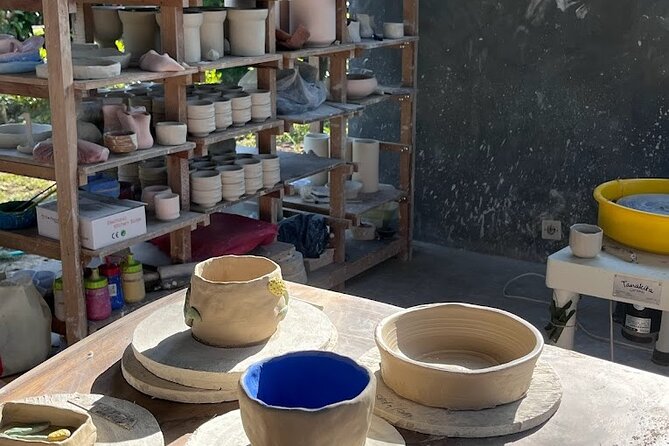
Bali has no shortage of places to buy crafts. A pottery class offers something different: you learn how ceramic objects are made, then leave with a personal connection to the process.
The lesson introduces several basic ideas about ceramics. You learn that different clays have different uses, and that not every type of soil is suitable for pottery. You also get an introduction to wheel throwing, hand building, and molding.
That practical knowledge can change the way you look at ceramic bowls, jars, flower vases, and decorative pieces in Balinese shops. Instead of seeing only the finished object, you begin to notice the shape, surface, thickness, and signs of handwork.
The class also has an educational angle that works well for families. Children and adults can make something together, although the provided information does not give a specific minimum age. Most people can participate, but you should confirm any age or special participation concerns when booking.
Taking your pottery home requires planning
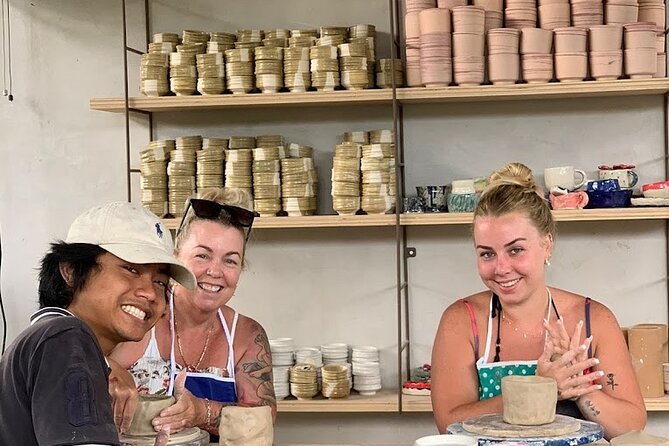
This is the most important practical detail. If you want to take your finished work home, you need at least four remaining days after the class.
The reason is simple: pottery normally needs time for finishing and firing before it is ready to handle and transport. The activity information does not specify the exact collection or delivery method, so ask the studio how and where finished pieces will be returned.
Do not schedule this as your final Bali activity if bringing home the pottery matters to you. A short holiday timetable may not leave enough time. The four-day guidance is a minimum, so giving yourself more time would be sensible if your plans allow it.
If you have less than four days left, you can still enjoy the class for the experience, but you should not assume that your pieces will be available before departure. Confirm this point directly before you commit.
Is $31.31 a fair price?
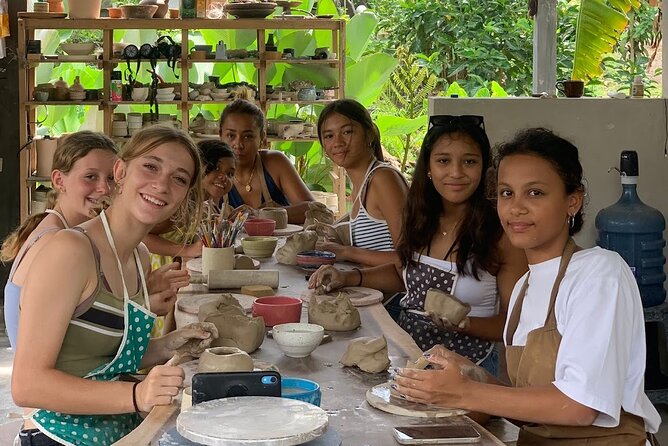
At about $31.31 per person, the class is reasonably priced for a three-hour activity. The fee includes the guided pottery lesson and 2kg of clay. Personal expenses are not included.
The value is strongest if you want active participation. You are paying for instruction, materials, use of the studio, and time to make two pieces with different methods. That is more substantial than a quick demonstration, but less costly than a private, advanced pottery course.
The price also works well for a small group of friends or a couple looking for something beyond sightseeing. It is not the cheapest possible activity in Bali, but the included material and three-hour duration make the cost easier to justify.
The main extra cost may be getting to Singapadu, depending on where you are staying. Transportation is not listed among the inclusions, so budget for your own way to the studio. Personal expenses are also excluded.
Who will enjoy this class most?
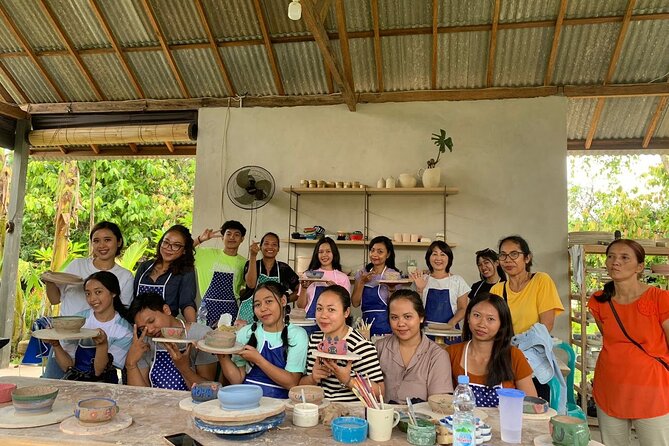
I would choose this activity for people who like making things with their hands. You do not need prior pottery experience, and the instructors cover the basics, but you should be comfortable with a little mess and imperfect results.
It suits:
- Couples looking for a shared activity
- Families wanting an educational break from sightseeing
- Friends who prefer a creative workshop to another shopping trip
- First-time potters curious about both wheel throwing and hand building
- People with enough time left in Bali to collect fired work
It may not suit you if your holiday schedule is tightly packed or if you are staying far from Singapadu and dislike longer drives. It is also not the right pick if you want a polished souvenir immediately after the class.
The class is open to most participants, but the supplied details do not state accessibility arrangements, age limits, or specific facilities. Ask before booking if those points affect your decision.
What the posted feedback suggests about quality
The experience has a 4.7 rating from seven posted ratings, a strong result for a small activity. The most consistent praise centers on the instructors, the garden setting, and the fact that the lesson is both fun and informative.
The teaching is often described as helpful and professional. That matches the class format, which starts with basic instruction before you try the techniques yourself. For beginners, patient guidance matters more than fancy equipment.
Another recurring strength is the range of techniques. The chance to make one item by hand and another on the wheel gives you a fuller lesson than a workshop limited to one method.
The main criticism is not about the pottery itself. It concerns the drive to Singapadu, which can take about 30 minutes from central Ubud and longer in traffic. Treat that as part of the planning rather than an unexpected inconvenience.
The small number of ratings means you should keep expectations sensible. A 4.7 score is encouraging, but it is not the same as a long record from hundreds of participants. The available feedback points to a well-liked, personal class, not a guarantee that every piece will turn out perfectly.
How to plan your day around the class
Because the class lasts about three hours and ends at the studio, give yourself enough time for the drive in both directions. Traffic can make the journey longer than the map suggests.
You might pair the class with other activities in the Singapadu or Sukawati area, but the provided information does not specify nearby attractions or transport arrangements. The safe approach is to allow extra time and avoid booking a tight appointment immediately afterward.
Wear something you can work in without worry. The activity involves clay, shaping, and hands-on instruction. No special clothing requirement is provided, but practical clothes are a sensible choice for any pottery session.
You receive confirmation when booking, and the experience uses a mobile ticket. Keep the ticket accessible on your phone and verify the studio address before setting out.
Free cancellation is available if you cancel at least 24 hours before the local start time. Cancellations or changes made inside that 24-hour window are not refunded or accepted.
My verdict: book it if you want to make, not just see
Book this class if you want a personal souvenir, a lesson in basic ceramics, and a calm three-hour break from Bali’s usual sightseeing circuit. The two techniques, 2kg of clay, small group size, and garden studio make the price reasonable.
I would be careful about three things: the Singapadu location, traffic from central Ubud, and the four-day requirement for collecting finished pottery. If those details fit your schedule, this is a useful and enjoyable choice for beginners.
Skip it if you have only a day or two left in Bali, need an immediate finished souvenir, or are based far away and do not want to arrange transport. For everyone else, the class offers a genuine chance to learn a little, make something imperfect and personal, and see Bali through its craft traditions.
FAQ
Where does the pottery class take place?
The class meets at Tana Ampo Pottery Studio, C793+8PH, Central Singapadu, Sukawati, Gianyar Regency, Bali 80582, Indonesia.
Is the class in central Ubud?
No. The studio is in Singapadu, outside central Ubud. The drive from central Ubud is about 30 minutes or longer depending on traffic.
How long does the activity last?
The pottery class lasts approximately three hours.
How much clay is included?
The class includes 2kg of clay per person.
Can I use a pottery wheel?
Yes. The session includes wheel throwing as one of the basic techniques.
Will I also make pottery by hand?
Yes. You can make one piece by hand and another on the wheel.
How many people can join the class?
The maximum group size is 10 participants.
Can I take my pottery home?
You need at least four remaining days if you want to take your work home. Ask the studio for the exact collection or return arrangements.
Is transportation included?
Transportation is not listed as an inclusion. The meeting and ending point is the pottery studio.
Can I cancel for a refund?
Yes. You can cancel at least 24 hours before the experience start time for a full refund. Cancellations or changes made less than 24 hours before the start time are not refunded or accepted.
More Workshops in Nusa Dua
- Kekeb Cooking Class at Nusa Dua
★ 5.0 · 33 reviews - HOT PROMO. Beginner Surf Lessons in Bali
★ 5.0 · 193 reviews - Surf Lesson with a Personal Instructor at Kuta Beach
★ 4.5 · 192 reviews - The best surf lessons in Kuta
★ 5.0 · 144 reviews
Just added around Nusa Dua
- Tibumana, Tukad Cepung, and Tegenungan: The Prettiest Waterfalls in Bali★ 5.0 · 3 reviews
- Royal Orchid Spa 90 Minutes Relaxing Massage.★ 4.5 · 3 reviews
- Lempuyang Gate of Heaven and City Tour★ 5.0 · 3 reviews
- Ubud Countryside Sightseeing Tour by ATV Ride★ 4.5 · 3 reviews
- Gate of Heaven and the Amazing East Bali★ 4.0 · 3 reviews
- Bali Shore Excursion: Nusa Dua Beach Half Day Tour★ 3.5 · 3 reviews
- Horse Riding on the Black Sand Beach and Free Hotel Transfers★ 5.0 · 3 reviews
- Bali Private Tour – Car with Driver★ 5.0 · 3 reviews
Ubud Day Trips, compared.

Ubud Day Tour: Sacred Monkey Forest, Tegenungan Waterfall, Rice Terrace
Read our review →

Full Day Kintamani Volcano View and Ubud Village Tour
Read our review →

Ubud Top Tours to Discover Bali’s Cultural and Natural Wonders
Read our review →
Ubud Monkey Forest – Rice Terrace – Jungle Swing – Water Temple
Read our review →
Ubud yoga, rice terrace walk and floating Breakfast tour
Read our review →
Browse the lists this tour appears in