
Reviewed · KUTA
Stargazing Under the Bali Skies
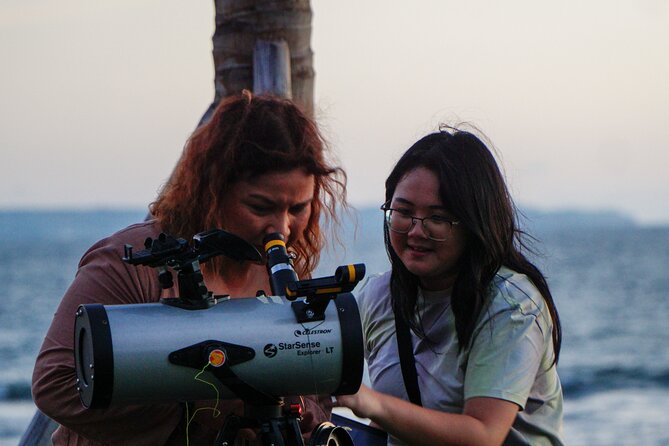
The best part of this Bali evening is its hands-on approach. You do not simply look through one telescope while someone names a few stars. Gabs and Donny guide you through several kinds of equipment, explain what you are seeing, and let you learn how to operate a telescope yourself. On a clear night, you may see the Moon’s craters, Saturn’s rings, Jupiter’s moons, and shooting stars.
I like the private format, which keeps the night calm and personal for groups of up to five. I also like the small touches: coffee brewed under the sky, 20 minutes of photography, and a starmap with an astronomy pocket guide to take home. The main consideration is weather. Clouds can limit what you see, and the activity may be moved or canceled if conditions are poor.
In This Review
- Key points about Stargazing Under the Bali Skies
- Why this Bali night is different from a normal beach outing
- Meeting at Munggu Beach at 6:30 pm
- Starting with the sky, not just the telescope
- Moon craters, Saturn’s rings, and Jupiter’s moons
- Four kinds of equipment, four ways to see the sky
- Coffee, conversation, and a slower pace
- Photography for 20 minutes under the stars
- What the $191.49 group price really means
- Who will enjoy this most
- Booking, weather, and practical timing
- Should you book Stargazing Under the Bali Skies?
- FAQ
- Where does the stargazing experience start?
- What time does the activity begin?
- How long does the experience last?
- Is this a private activity?
- What might I see through the equipment?
- What equipment is included?
- Is coffee included?
- What happens if bad weather cancels the session?
Key points about Stargazing Under the Bali Skies
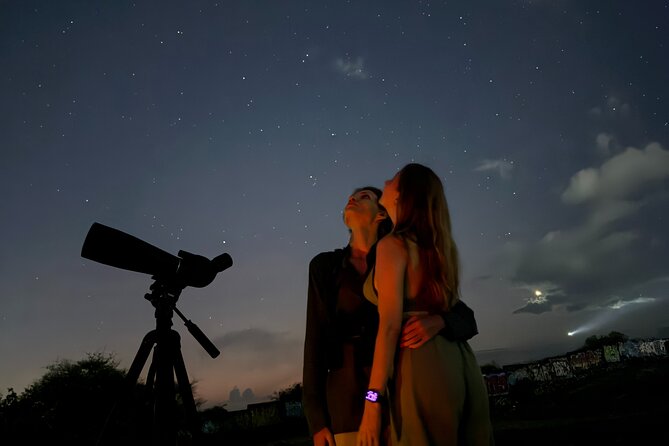
- Several types of viewing equipment: Use high-quality telescopes, binoculars, a spotting scope, and a smart astrophotography camera.
- Private group setting: Only your party participates, with space for up to five people.
- Planetary highlights: The session may include the Moon’s craters, Saturn’s rings, Jupiter’s moons, constellations, and other objects, depending on the sky.
- Coffee and keepsakes: Enjoy a coffee-brewing experience and take home a starmap, astronomy pocket guide, and surprise goodies.
- Photos under the stars: About 20 minutes of photography and documentation are included.
- Community connection: Part of the proceeds supports the local village of Munggu, also referred to in the experience material as Seseh.
Why this Bali night is different from a normal beach outing
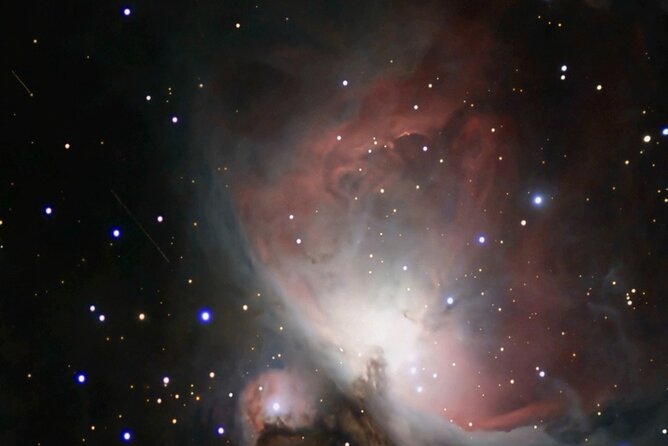
Bali has no shortage of sunset cruises, beach clubs, waterfalls, and temple visits. Stargazing offers a quieter change of pace. At Munggu Beach, the focus shifts from the coastline to the sky above it, with the AstroBali team helping you make sense of what you see.
That matters because looking at stars without guidance can be surprisingly difficult. Your eyes may notice a bright point, but not know if it is a planet, a star, or an aircraft. With the right equipment and a guide who welcomes questions, the sky becomes easier to read.
This is also a good choice if you are curious but not already an astronomy expert. The experience is designed for beginners, and you are encouraged to ask anything about space. The tone is educational without being framed as a formal classroom lesson. You learn through conversation, stories, and time at the equipment.
The private setting helps here. A group of five can ask questions without holding up a large crowd. It also gives you a better chance to spend time with each piece of gear and try it yourself.
Other Kuta days people book alongside this one:
- Nusa Penida day trip: boat, 4 snorkeling, Manta rays & Land tour
★ 5.0 · 2,033 reviews - Bali Nusa Penida West Private All-Inclusive Tour
★ 5.0 · 1,277 reviews - Mount Batur Sunrise Trekking Private Tour with Breakfast and Hotel Transfer
★ 5.0 · 885 reviews
Meeting at Munggu Beach at 6:30 pm
The evening begins at Munggu Beach, Bali, with a 6:30 pm start. You meet the team there and return to the same point at the end. No transportation is listed, so you should plan your own way to the beach and allow enough time to arrive without rushing.
The beach setting gives the activity a pleasant sense of place. You are not sitting in a planetarium or an indoor observatory. You are outside, near the coast, with the night sky overhead and the sound and feel of Bali around you.
The exact viewing conditions will change from night to night. The Moon can be the star of the session on one evening, while planets or constellations may take center stage on another. Cloud cover and general weather affect what the guides can show, so the program cannot promise every listed object on every date.
The two-and-a-half-hour duration is long enough to make the evening feel unhurried. You have time to settle in, look through more than one instrument, ask questions, and take photographs instead of rushing from one target to the next.
Starting with the sky, not just the telescope
A good stargazing session begins by helping you understand what you are looking at. The AstroBali team introduces constellations, shares stories connected to the stars, and explains basic astronomy in plain language.
This is where the experience gets more value than a simple telescope rental. You are not only handed equipment and left to guess. The guides connect the visible sky with the science behind it, then respond to your questions as they come up.
You might learn how to recognize patterns in the sky or understand why a bright object looks different from a distant star. The exact subjects will depend on the date, weather, and what is visible from the beach.
The session also has an emotional side. A night sky far from your usual home can feel startlingly large, especially if you live in a place where city light washes out the stars. The AstroBali team keeps the mood relaxed and friendly, which suits the peaceful setting.
Moon craters, Saturn’s rings, and Jupiter’s moons
The main viewing targets include the Moon’s craters, Saturn’s rings, and Jupiter’s moons. These are especially good objects for beginners because they can turn a distant point of light into something with shape and detail.
The Moon is often the easiest place to start. Through a telescope, its surface is marked by craters and shadows that are impossible to see clearly with the naked eye. The experience can help you notice how changing light affects the Moon’s appearance.
Saturn is a different kind of thrill. Its rings give the planet a distinct form, making it one of the most memorable targets in amateur astronomy. Jupiter offers another clear lesson in scale, with its moons appearing as small points nearby.
You should treat these as possible highlights rather than guaranteed stops. The program states that targets depend on weather, and all astronomy sessions are controlled by the sky. If clouds move in, the guides may need to adjust the plan.
The team may also point out other stars and deep-sky objects, depending on conditions. The supplied information does not promise a fixed list beyond the examples above, so it is best to arrive ready for an evening shaped by what is visible.
Same island, a completely different kind of day:
- Individual Bali Day Trip with Private Driver and Free WiFi
★ 5.0 · 755 reviews - Waterbom Bali Tickets – Single Day Pass
★ 4.5 · 620 reviews - Private Tour Mount Batur Sunrise Trekking and Natural Hot Spring
★ 5.0 · 431 reviews - Private Tour Bali Beaches and Uluwatu Temple with Dinner
★ 5.0 · 363 reviews
Four kinds of equipment, four ways to see the sky
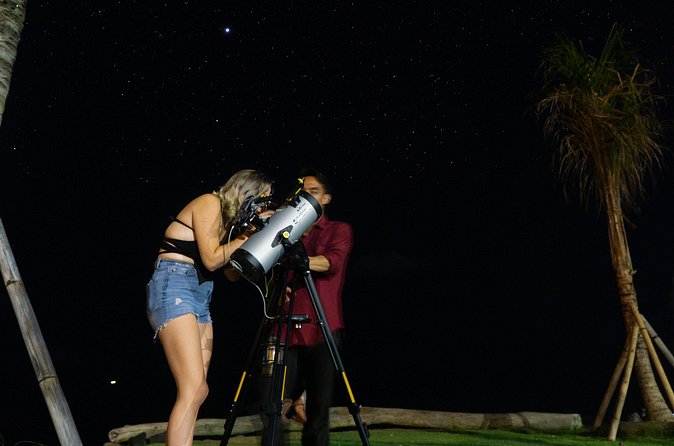
One of the strongest parts of this experience is the range of equipment. You can use:
- High-quality telescopes
- Binoculars
- A smart astrophotography camera
- A spotting scope
Each tool gives you a different relationship with the sky. A telescope can bring planets and lunar features into sharper view. Binoculars offer a wider, more familiar way to scan the stars. A spotting scope gives you another optical option, while the smart astrophotography camera can show the sky through a digital image.
The variety is useful because it turns the night into a practical lesson. You are not simply told which device is best. You get a chance to compare how each one works and what each is suited to show.
Most important, you learn how to operate a telescope. That makes the experience more lasting. The starmap and astronomy pocket guide can help you continue looking up after the evening ends, even if you do not become a serious amateur astronomer.
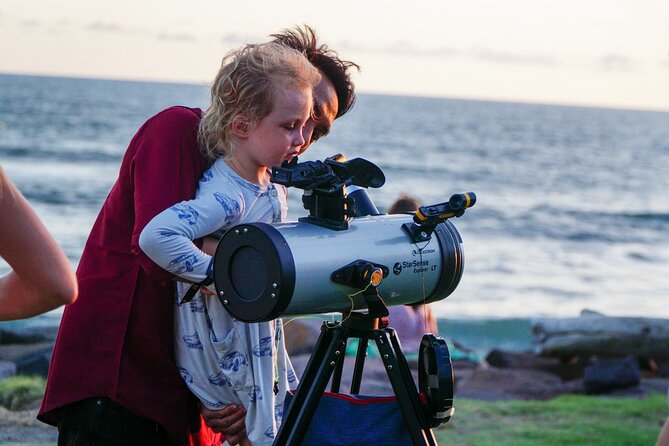
The equipment also makes this a good pick for families and mixed-age groups, provided everyone in your party can participate comfortably. Children may enjoy the planets and hands-on elements, while adults can focus on the science, photography, or stories behind the constellations.
Coffee, conversation, and a slower pace
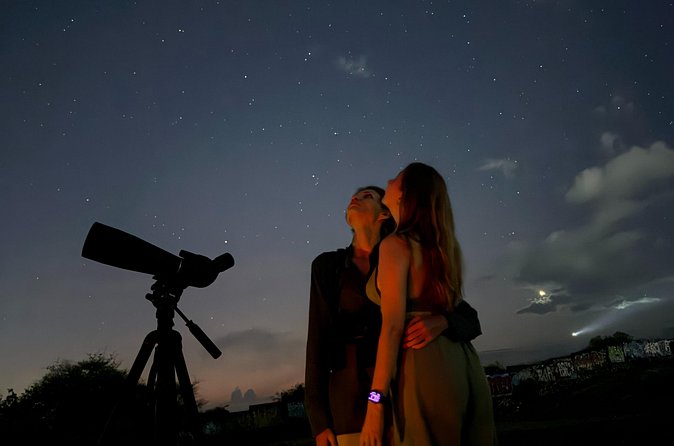
The coffee-brewing experience adds a simple human touch to the night. It gives you something warm to enjoy while waiting for the sky to darken or while the guides set up the next target.
This is not presented as a separate food tour or full meal. Think of it as a complimentary coffee moment built into the evening. If you need dinner, you should make other plans.
The coffee also helps set the pace. Stargazing works best when you are willing to slow down. There may be moments when the team adjusts equipment, waits for a clear view, or lets your eyes get used to the darkness. Rather than treating these pauses as wasted time, the coffee and conversation make them part of the experience.
The guides, especially Gabs and Donny, are described as friendly and open to questions. That matters for a subject that can feel technical. You can ask about the galaxy, planets, stars, or how the equipment works without needing prior knowledge.
Photography for 20 minutes under the stars
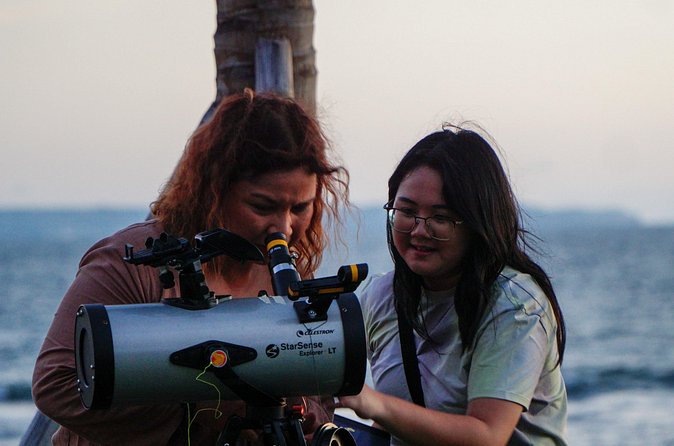
About 20 minutes of photography and documentation are included. This gives you a way to preserve the evening without spending the entire session trying to manage your own camera.
The smart astrophotography camera is part of the equipment provided. It may offer a different kind of result from looking through an eyepiece, showing celestial objects in a way that is easier to photograph and share.
The included photography is a useful bonus, especially if you want a record of the night but do not own camera equipment suited to low light. The exact photographs and subjects will depend on the weather, visibility, and what is in position during your session.
You should still think of the photographs as a supplement, not the main purpose. The best part of the experience is learning to look through the equipment and understand the sky. The camera gives you a memory of that process.
What the $191.49 group price really means
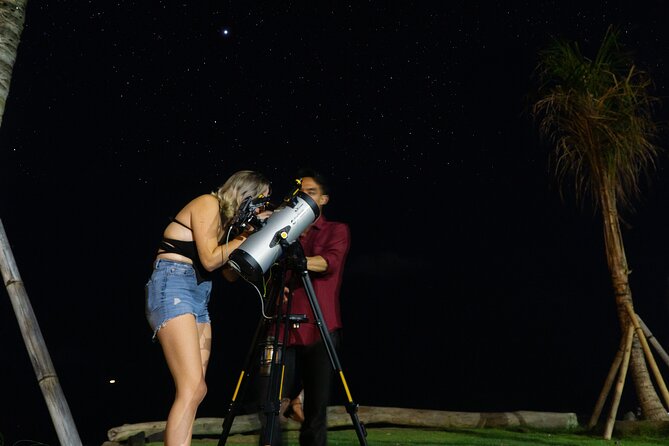
The listed cost is $191.49 per group for up to five people. That means the value improves when you share it with family or friends. At the maximum group size, the cost works out to roughly $38 per person before fees and taxes.
For a private 2.5-hour session, that is a reasonable price if your group values personal attention, multiple instruments, instruction, coffee, photography, and take-home materials. A cheaper public stargazing event might give you a telescope and a short explanation, but it may not offer the same privacy or hands-on time.
The price is less compelling if you only want a quick look at the Moon. Much of the value comes from the full package: learning how to use a telescope, comparing several tools, asking questions, and spending a relaxed evening outdoors.
Fees and taxes are not included, and tips are optional but appreciated. Keep those extra costs in mind when comparing the total price with other evening activities in Bali.
The community contribution also adds a local benefit. Part of the proceeds supports Munggu Village. That does not change the quality of the astronomy session, but it gives your booking a connection to the place where the activity takes place.
Who will enjoy this most
I would choose this experience for someone who wants a quieter Bali evening and is curious about the night sky. It suits couples, families, friends, and small groups who prefer a private activity rather than a large organized crowd.
It is especially useful for:
- First-time stargazers
- Families looking for an educational evening
- Couples who want something beyond the usual nightlife
- Amateur photographers interested in sky images
- Anyone who has rarely seen a clear, star-filled sky
- People who enjoy asking questions and trying equipment
You do not need astronomy experience. The activity is designed for curious beginners, and most people can participate.
It may be a weaker choice if you need a guaranteed list of planets, a fixed indoor schedule, or hotel pickup. The activity depends on good weather, and transport to Munggu Beach is not included in the details provided.
Booking, weather, and practical timing
Confirmation is sent within 48 hours of booking, subject to availability. The experience is often reserved about 24 days ahead, so booking early is sensible if your Bali schedule is tight.
You can cancel for a full refund up to 24 hours before the 6:30 pm start time. Changes or cancellations made inside that 24-hour window are not accepted for a refund.
Weather is the most important practical factor. If poor conditions force a cancellation, you are offered another date or a full refund. Since clouds can affect the visibility of the Moon, planets, and stars, keep some flexibility in your schedule if the sky looks uncertain.
The mobile ticket makes entry simple, but you still need to reach the meeting point at Munggu Beach. The activity ends back there after about two hours and thirty minutes.
Should you book Stargazing Under the Bali Skies?
Book it if you want a private, thoughtful evening that combines astronomy with a genuine sense of place. The strongest reasons are the hands-on use of several kinds of equipment, the chance to see major celestial targets, and the patient, question-friendly format led by Gabs and Donny.
I would also book it for a group of up to five, since the shared price becomes more attractive and the private setting lets everyone take a turn. The coffee, photography, pocket guide, and starmap make the evening feel complete without turning it into a crowded production.
Skip it if your plans cannot handle a weather-related change or if you are looking for transportation and a guaranteed show. The sky sets the terms here. On a clear night, though, this offers a memorable way to trade Bali’s usual evening noise for planets, constellations, and a much bigger view.
FAQ
Where does the stargazing experience start?
It starts at Munggu Beach, Bali, Indonesia.
What time does the activity begin?
The scheduled start time is 6:30 pm.
How long does the experience last?
The session lasts approximately two hours and thirty minutes.
Is this a private activity?
Yes. Only your group participates, with space for up to five people.
What might I see through the equipment?
Depending on weather and visibility, you may see the Moon’s craters, Saturn’s rings, Jupiter’s moons, constellations, and other celestial objects.
What equipment is included?
You can use high-quality telescopes, binoculars, a smart astrophotography camera, and a spotting scope.
Is coffee included?
Yes. A complimentary coffee-brewing experience under the stars is included.
What happens if bad weather cancels the session?
You will be offered a different date or a full refund if the experience is canceled because of poor weather.
Just added around Kuta
- Bali Sky Gate and Water Palace★ 5.0 · 3 reviews
- Bali 2 Hours Spa Packages – Refresh Your Body and Mind★ 5.0 · 3 reviews
- Bali Quad Adventure with Waterfall Tour★ 5.0 · 3 reviews
- 2 PADI Certified Dives at Tulamben from Bali★ 5.0 · 3 reviews
- Romantic Couple Treatment at ANJALI SPA★ 5.0 · 3 reviews
- Private Tour : Individual costumize route with FREE – WIFI★ 5.0 · 3 reviews
- Bali: Ubud (Temple, Spring, Rice Terraces, & Waterfall)★ 5.0 · 3 reviews
- Balinase Cooking Class and Private Ubud Day Tour★ 5.0 · 3 reviews