
Reviewed · TICKETS
Nusa Dua: Museum Pasifika Admission Ticket with Audio Guide
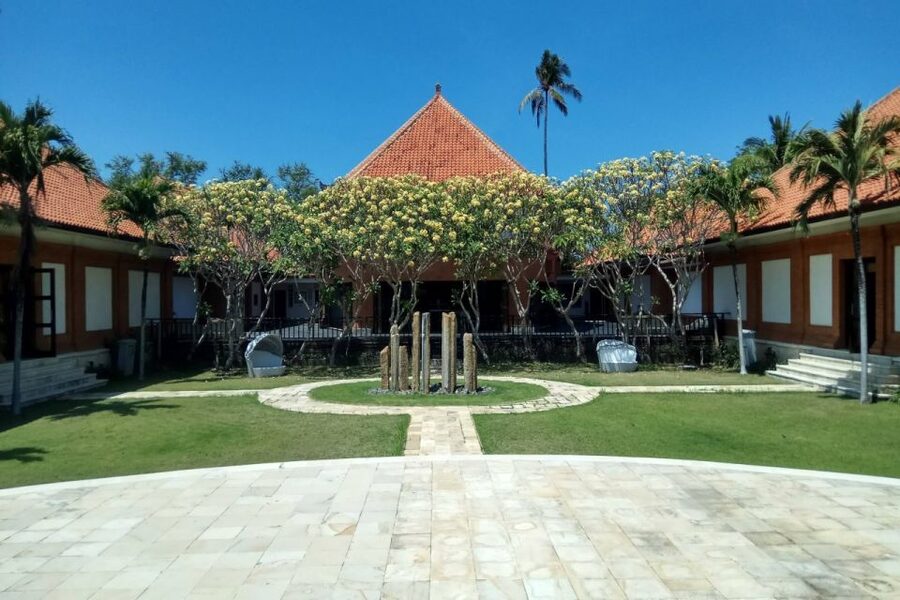
Museum Pasifika gives you an unusual change of pace from Nusa Dua’s resorts: one quiet museum holding Indonesian masterpieces, European art shaped by Bali, and Pacific sculpture under one roof. The collection is large enough to reward a slow visit, but the setting remains relaxed rather than solemn.
I like the chance to see works by Raden Saleh, Lempad, Affandi, Hendra, and Kobot in one place. I also like the roughly 200 sculptures from 10 Pacific nations, collected over 50 years by Michoutouchkine and Pilioko. The main caution is the museum’s upkeep. A recent visit found beautiful art affected by humidity, open doors, and a lack of air conditioning.
In This Review
- Key points to know before you go
- Why Museum Pasifika is worth your time in Nusa Dua
- Beginning with Indonesian masters
- European artists looking toward Bali
- The Michoutouchkine and Pilioko Pacific collection
- Gauguin, Rodin, and the Western artists exhibition
- Using the audio guide without losing your own pace
- The real condition of the galleries
- What the $7 ticket really buys you
- Access, rules, and useful planning details
- Who will enjoy this museum most
- Should you book Museum Pasifika?
- FAQ
- Where is Museum Pasifika located?
- How much does admission cost?
- How long is the ticket valid?
- Is an audio guide included?
- Does the museum offer hotel pickup and drop-off?
- What does the ticket include besides admission?
- How many artworks are in the museum?
- Are children admitted free?
- Is Museum Pasifika wheelchair accessible?
- What photography restrictions apply?
Key points to know before you go
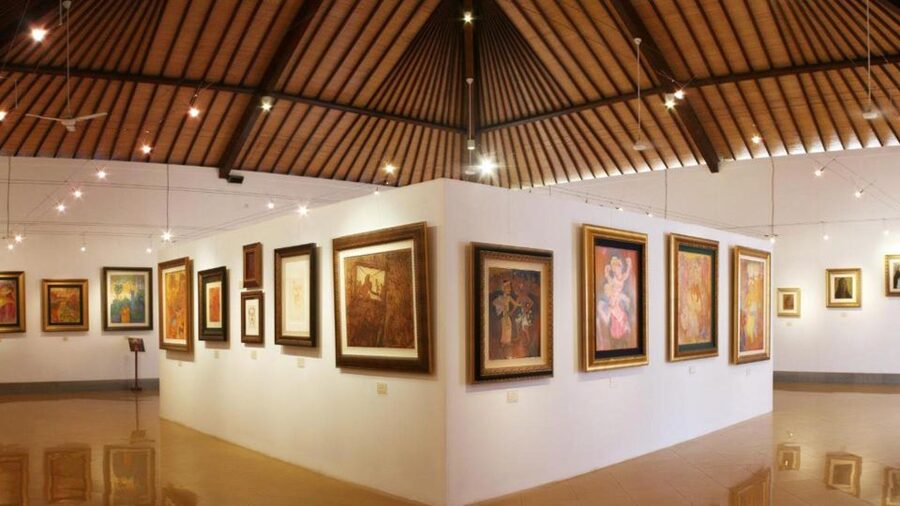
- More than 600 artworks: The museum presents paintings and sculptures by about 200 international artists.
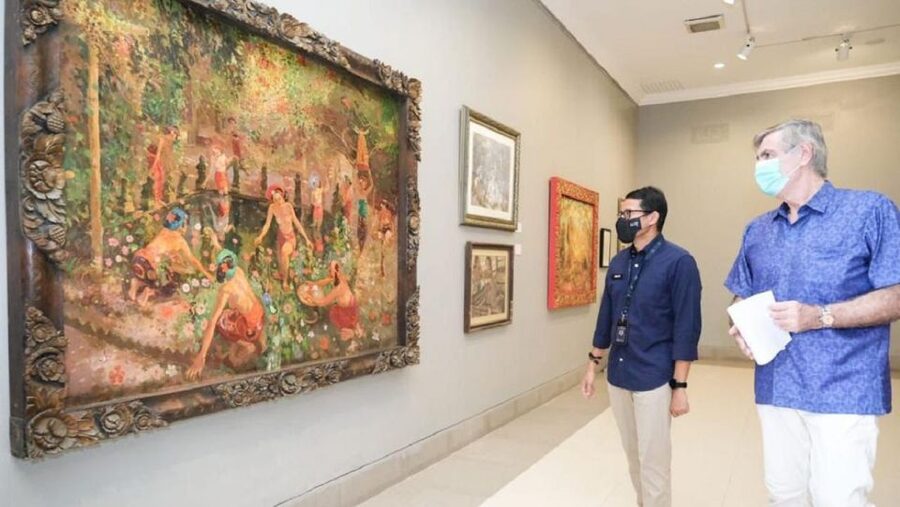
- Indonesian art takes center stage: See works by Raden Saleh, Lempad, Affandi, Hendra, Kobot, and more than 50 Indonesian artists.
- Pacific sculpture has unusual depth: The Michoutouchkine and Pilioko Collection includes around 200 works from 10 Pacific nations.
- The audio guide adds useful context: Choose English or Indonesian commentary as you move through the rooms.
- The visit is quiet and flexible: Your ticket is valid for one day, with no hotel transport included.
- Practical comforts are included: You receive a refreshment, cold towel, and tea, coffee, or infused water.
Why Museum Pasifika is worth your time in Nusa Dua
Nusa Dua is designed for easy resort holidays, with manicured grounds, large hotels, and beach time. Museum Pasifika adds something more thoughtful to the area. Instead of looking at one national school of art, you can trace connections among Indonesia, Europe, Asia, and the Pacific.
That broad range is the museum’s main appeal. You might begin with Indonesian painting, move into works made by European artists who lived in or responded to Bali, and then reach sculpture from Oceania. The experience is less about one single masterpiece and more about seeing how artists from different places interpreted the same region.
I like this kind of museum for a Bali itinerary because it does not demand a full day of concentration. You can spend an hour on the works that catch your eye, take a refreshment break, and continue at your own speed. Since the ticket remains valid for the visit date, you have some flexibility with timing.
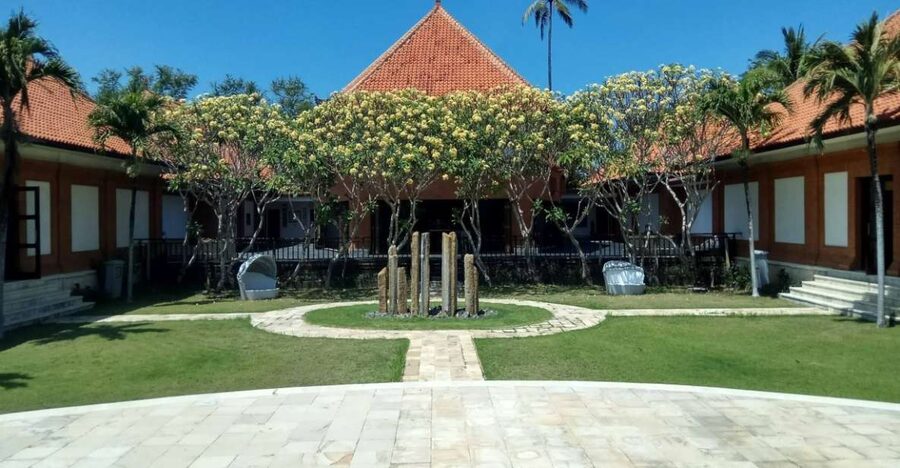
The atmosphere is reported as quiet and relaxed, which suits the collection. If you want a break from Nusa Dua’s polished resort routine, this is an easy cultural stop. If you expect a modern, climate-controlled gallery with elaborate displays, you may find the setting less satisfying.
More days out booked from Nusa Dua:
- Nusa Penida One Day Trip with All-inclusive
★ 4.5 · 743 reviews - Bali Instagram Tour – Lempuyang Bali Gate of Heaven
★ 5.0 · 149 reviews - Bali Parasailing Adventure,Banana Boat,Jet Ski and Donut Boat with Transfers
★ 5.0 · 130 reviews
Beginning with Indonesian masters
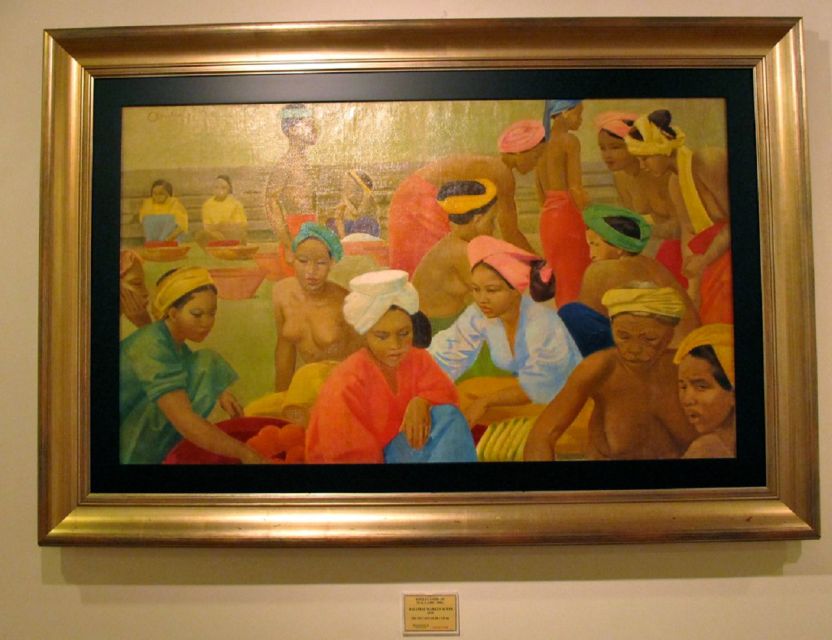
Start with the Indonesian galleries. The museum presents works by more than 50 Indonesian artists, giving you a useful overview rather than a narrow look at one period or style.
The names to watch for include Raden Saleh, Lempad, Affandi, Hendra, and Kobot. These artists represent different approaches to Indonesian art, so the rooms offer more variety than a single-theme exhibition. The collection also helps place Indonesian painting within a wider Asian and Pacific setting.
I would use the audio guide here, especially if Indonesian art is new to you. Paintings can be easy to admire at a glance, but background information helps you understand why an artist matters and how a work relates to Indonesian culture. The guide is available in English and Indonesian, and you can listen without committing to a fixed tour schedule.
The museum’s size matters at this point. With more than 600 artworks in total, you should not try to inspect every piece equally. Pick out the artists and subjects that interest you, then allow time for the later rooms. The strength of this visit is range, not a short list of famous objects.
European artists looking toward Bali
Another section focuses on Indo-European artists influenced by Asia, especially Indonesia and Bali. This is one of the more interesting parts of the museum because it shows Bali through the eyes of artists who came from outside the region.
The rooms include Italian, French, and Dutch creators such as Walter Spies, Miguel Covarrubias, Jean Le Mayeur, and Charles Sayers. Their connection to Bali gives these works a different point of view from the Indonesian masters. You can compare how local and foreign artists handled people, daily life, color, and place.
I like this section because it avoids treating European art and Indonesian art as unrelated subjects. Instead, the museum places them near each other, allowing you to notice shared influences and clear differences. The audio guide should be particularly useful here, since the personal backgrounds of these artists help explain their interest in Bali.
You will also find works by Indonesian students of the Beaux-Arts School of Hanoi. This adds another layer to the collection, connecting Indonesian artists with an important art-school tradition outside Indonesia. The museum presents these works as part of a wider Asian story rather than limiting the visit to Bali alone.
The Michoutouchkine and Pilioko Pacific collection
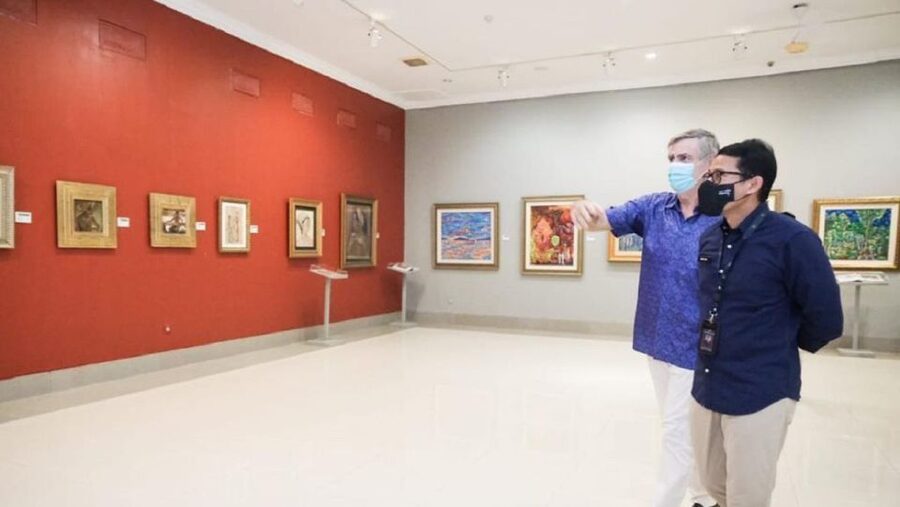
The Pacific rooms are probably the museum’s most distinctive feature. The Michoutouchkine and Pilioko Collection of Premier Art of Oceania contains around 200 sculptures from 10 nations across the Pacific Ocean.
That is a substantial group of objects for a museum in Bali. The collection was assembled over 50 years by the two artists, and its size gives you a chance to compare forms and materials across several Pacific cultures. I would allow more time here than you might expect, since sculpture often needs space and a slower look.
The Pacific collection also changes the rhythm of the visit. After rooms filled with paintings, sculpture gives you a more physical experience of the art. You can study shape, carving, surface, and scale rather than focusing only on a framed image.
The audio guide can help you make sense of the objects, particularly if you do not already know much about art from Oceania. Do not rush through this section simply because it is less familiar. The unfamiliarity is part of its value, and this is where the museum offers something you are unlikely to find in an ordinary Bali art stop.
Same island, a completely different kind of day:
- Devdan Show
★ 4.5 · 113 reviews - Mount Batur Sunrise Trekking and Rice Terrace Adventure
★ 5.0 · 111 reviews - Bali Shore Excursions : Private Bali Car Rental Service
★ 5.0 · 81 reviews - Uluwatu Temple, Beaches and Southern Bali Tour
★ 4.5 · 81 reviews
Gauguin, Rodin, and the Western artists exhibition
The Legendary Western Artists Exhibition adds a smaller but eye-catching group of works. It includes sculptures and woodcuts connected with Paul Gauguin’s Tahiti period, along with pieces by Henri Rousseau, Henri Matisse, Auguste Rodin, Marvina Hoffmann, and Bernard Buffet.
These artists are presented in relation to their experiences and ideas about Asia or the Pacific. Gauguin’s Tahiti connection is especially relevant to the museum’s wider interest in how artists responded to places beyond Europe.
I would treat this exhibition as a supplement rather than the main reason to buy the ticket. The Indonesian and Pacific collections provide the museum’s strongest identity. The Western works add familiar names and useful comparisons, but they do not replace the need to spend time with the less familiar artists.
This section may appeal most to you if you already enjoy European modern art or sculpture. It can also help younger visitors connect the museum’s wider collection with names they may recognize from art books.
Using the audio guide without losing your own pace
The audio guide is optional, but I think it improves the visit. The museum covers a lot of ground, and the guide can prevent the collection from feeling like a long sequence of names and objects.
English and Indonesian are available. You can use the commentary to focus on selected works instead of listening to every explanation. That approach keeps the visit personal and avoids turning a flexible museum visit into a lecture.
I would begin by looking at each room for a few minutes before starting the audio. First impressions matter. You may notice an unusual sculpture or a painting that interests you, then use the guide to learn more about it.
The guide is also useful for understanding the museum’s structure. Indonesian masters, Indo-European artists, Hanoi-trained Indonesian artists, Pacific sculpture, and Western artists from the Tahiti period are different subjects. A little guidance helps you see how those groups fit together.
The real condition of the galleries
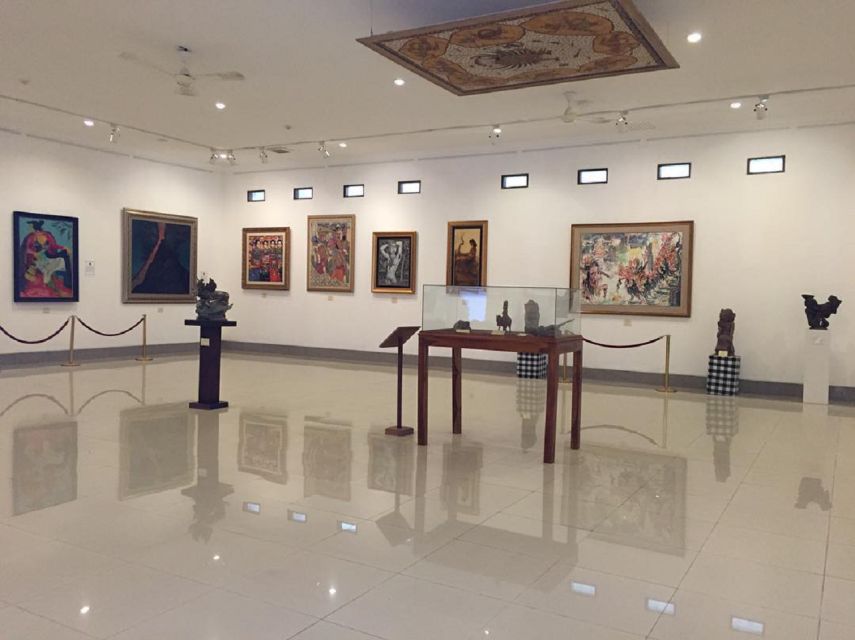
Here is the practical issue you should take seriously: the museum may not feel as polished as its collection deserves.
A recent assessment found no air conditioning, doors left open, and signs that humidity was affecting some artworks. Paintings and sculptures need protection from Bali’s tropical climate, so this is more than a minor comfort issue. It can affect how carefully the collection is preserved.
You may still have a pleasant visit, especially since the atmosphere is quiet. But I would set your expectations correctly. This is not necessarily a cool, sealed, modern gallery where every work is protected behind glass or controlled lighting.
The lack of air conditioning may matter most if you visit during a hot part of the day. The museum provides a cold towel and a refreshment, which are welcome touches, but they do not change the gallery conditions. Plan to move at an easy pace, take breaks, and use the café if you need time out.
For some people, the imperfect setting will be disappointing because the art deserves better care. For others, the collection will still be worth seeing because of its unusual scope. I fall between those views: I would visit, but I would not expect museum facilities of the highest technical standard.
What the $7 ticket really buys you
At about $7 per person, this is a low-cost cultural stop in Nusa Dua. The price includes admission and the audio guide, plus a refreshment, cold towel, and a choice of tea, coffee, or infused water.
That is good value if you have an interest in art and enough time to look carefully. The collection is large, and the ticket is valid for one day, so you are not paying for a rushed 30-minute attraction.
The value is less clear if you only want a quick sightseeing photo or if famous European names are your main goal. Museum Pasifika is strongest when you appreciate the connections between regions and are willing to spend time with artists you may not know.
There is no hotel pickup or drop-off. You need to arrange your own transport to the museum and show your ticket at the reception area. Nusa Dua visitors may find this simple, but you should include transport planning if you are staying elsewhere in Bali.
The museum has a large parking area, a café, and free Wi-Fi. Those details make it easier to combine the visit with other Nusa Dua plans. Children aged 0 to 11 enter free, which improves the value for families, though the collection’s appeal will depend on each child’s interest in art.
Access, rules, and useful planning details
The galleries and facilities are wheelchair accessible, including access for motorized wheelchairs. That is helpful for visitors who need step-free movement through the museum.
Weapons and sharp objects are not allowed. Flash photography and tripods are also prohibited, so bring a camera only if you are happy to photograph within the museum’s rules.
The ticket is valid for the selected visit date, and starting times depend on availability. You can cancel up to 24 hours in advance for a full refund, and the reserve-now, pay-later option lets you keep your plans flexible.
Because the visit is listed as a one-day experience rather than a timed guided tour, you can shape it around your own schedule. I would check the available starting time before building a tightly packed day around it.
Who will enjoy this museum most
I would recommend Museum Pasifika to several types of visitor:
- Art lovers: You get Indonesian masters, European artists connected with Bali, Pacific sculpture, and Western names in one visit.
- Repeat Bali visitors: If you have already covered beaches and temples, this gives you a different side of the island.
- Families with older children: The variety of paintings and sculpture may hold attention better than a single-style museum, and children aged 0 to 11 enter free.
- Visitors based in Nusa Dua: The museum is easy to pair with a resort day, especially with parking, a café, and refreshments onsite.
- Anyone curious about Oceania: The Michoutouchkine and Pilioko collection is the rare feature here.
I would hesitate to recommend it if you need strong climate control, highly polished facilities, or a tightly scripted guided tour. The museum’s art is the reason to go, not luxury presentation.
Should you book Museum Pasifika?
Book it if you want a quiet, affordable art stop with genuine range. For $7, you can see more than 600 works, hear background through an English or Indonesian audio guide, and spend time with a Pacific sculpture collection that is unusual for Bali.
Go with realistic expectations about the building. The reported humidity concerns and lack of air conditioning may bother you, particularly if conservation standards are important to you. Still, the collection’s mix of Indonesian masters, Bali-inspired European art, Pacific sculpture, and Western artists gives the visit real substance.
I would book Museum Pasifika as a flexible half-day addition to a Nusa Dua itinerary, not as the sole reason for a special trip across Bali. If you are nearby and curious, the low price makes the decision easy. Give the Indonesian and Pacific rooms your best attention, use the audio guide selectively, and take your time.
FAQ
Where is Museum Pasifika located?
Museum Pasifika is in Nusa Dua, Bali, Indonesia.
How much does admission cost?
The admission price is $7 per person.
How long is the ticket valid?
The ticket is valid for one day on the selected visit date.
Is an audio guide included?
An audio guide is available with the museum ticket. The listed languages are English and Indonesian.
Does the museum offer hotel pickup and drop-off?
No. Hotel pickup and drop-off are not included.
What does the ticket include besides admission?
The ticket includes an audio guide, a refreshment, a cold towel, and tea, coffee, or infused water.
How many artworks are in the museum?
The museum has more than 600 paintings and sculptures by about 200 international artists.
Are children admitted free?
Children aged 0 to 11 can enter free of charge.
Is Museum Pasifika wheelchair accessible?
Yes. The galleries and facilities are accessible to wheelchair users and motorized wheelchair users.
What photography restrictions apply?
Flash photography and tripods are not allowed. Weapons and sharp objects are also prohibited.
Just added around Nusa Dua
- Tibumana, Tukad Cepung, and Tegenungan: The Prettiest Waterfalls in Bali★ 5.0 · 3 reviews
- Royal Orchid Spa 90 Minutes Relaxing Massage.★ 4.5 · 3 reviews
- Lempuyang Gate of Heaven and City Tour★ 5.0 · 3 reviews
- Ubud Countryside Sightseeing Tour by ATV Ride★ 4.5 · 3 reviews
- Gate of Heaven and the Amazing East Bali★ 4.0 · 3 reviews
- Bali Shore Excursion: Nusa Dua Beach Half Day Tour★ 3.5 · 3 reviews
- Horse Riding on the Black Sand Beach and Free Hotel Transfers★ 5.0 · 3 reviews
- Bali Private Tour – Car with Driver★ 5.0 · 3 reviews
Tickets, compared.

Uluwatu Temple Entry and Kecak Fire Dance Ticket
Read our review →
Kecak Fire Dance Ticket at Uluwatu Karang Boma Cliff
Read our review →
One-way Ticket Fast Boat from Sanur Bali or Nusa Lembongan
Read our review →

Browse the lists this tour appears in