Reviewed · MONKEY FOREST TOURS
Day Trip: Ubud Monkey Forest, Rice Terrace, Temple and Waterfall
Ubud’s appeal comes from the way daily life, Hindu worship, farming, art, and jungle scenery sit close together. This private day trip gives you a broad look at that mix, from gray macaques around forest temples to rice terraces and a water temple used for ritual bathing.
I like the door-to-door transport, especially from Nusa Dua, where reaching Ubud on your own takes time and planning. I also like the mix of famous sights and quieter cultural stops, including craft villages, coffee and plantation visits, and a family compound.
The main drawback is the packed schedule. Tegenungan, the Monkey Forest, Tegallalang, Tirta Empul, and several village stops make for a full day, and traffic can stretch the journey. You will see a lot, but this is not a slow, single-neighborhood tour.
In This Review
- Key points to know before booking
- Why this Ubud day trip works from Nusa Dua
- Tegenungan Waterfall sets the tone
- Two hours among macaques at the Sacred Monkey Forest
- Tegallalang shows Bali’s working rice tradition
- Tirta Empul offers a closer look at Balinese worship
- Craft villages add substance beyond the famous sights
- The family compound and plantation visits
- What the $37 price really covers
- Who will get the most from this route
- Practical tips for making the day better
- Should you book this Ubud day trip?
- FAQ
- How long does the Ubud day trip last?
- Where is pickup available?
- Is this a private tour?
- What is included in the price?
- Are meals included?
- Can I swim at Tegenungan Waterfall?
- What is the minimum age?
- Can cruise ship passengers book this tour?
- What is the cancellation policy?
Key points to know before booking
- Private transportation: Only your group takes part, with pickup and drop-off available across Nusa Dua and several other Bali areas.
- A full Ubud sampler: The route combines a waterfall, monkey sanctuary, rice terraces, temple, crafts villages, plantations, and a family compound.
- Eight hours on the road: The advertised start is 8:30 am, with about one hour at each major stop and two hours at the Monkey Forest.
- Useful inclusions: Entrance fees, petrol, parking, bottled water, and an air-conditioned vehicle are covered.
- Good for first-time visitors: You get a wide introduction to Ubud without arranging several separate rides.
- Worth checking before departure: The route details name Tirta Empul, while the tour description also refers to Puseh Batuan Temple. Confirm the exact temple stop when you book.
Why this Ubud day trip works from Nusa Dua
This outing is built for you if Ubud is a priority but you do not want to change hotels or organize a private driver yourself. From Nusa Dua, the included pickup saves you from finding transport to a meeting point, then the same vehicle brings you back after a long day.
The tour begins at about 8:30 am and lasts roughly eight hours. That sounds generous, but Bali roads can make a schedule feel tighter than it looks. The route covers several districts, so you should expect driving between stops rather than a walkable day in central Ubud.
Your English-speaking driver handles the route, petrol, parking, and basic transport details. The vehicle is air-conditioned, and mineral water is included. Meals and personal purchases are not covered, so bring money for lunch, drinks, crafts, or optional alcoholic beverages.
The private format is a real advantage. You are not working around a large coach group, and your party alone takes part in the activity. The information does not promise unlimited flexibility, so do not assume every stop can be extended, but a private vehicle usually makes the day easier to manage than a fixed group departure.
More Temple Tours in Nusa Dua
- Uluwatu Temple, Beaches and Southern Bali Tour
★ 4.5 · 81 reviews - Bali : Instagrams Tour Lempuyang Temple, Tirta Gangga- Tukad Cepung , Tibumana Waterfall
★ 5.0 · 52 reviews - Sunset at Tanah Lot Temple and Spa Tour
★ 5.0 · 40 reviews
Tegenungan Waterfall sets the tone
Tegenungan Waterfall is scheduled as the first stop, with about one hour there and admission included. The waterfall drops around 15 to 20 meters and is known for a strong flow. It is close to urban areas and often busy, so this is a popular scenic stop rather than a remote wilderness outing.
If water conditions are clear, swimming is possible. That option depends on conditions, so bring suitable clothing only if you are prepared for a possible change of plan. One hour gives you time to see the falls and take photographs, but it may not leave room for a long swim and an unhurried visit.
The value here is simple: Tegenungan gives you an immediate nature break before the cultural stops begin. At the same time, the urban setting and popularity mean you should keep expectations in check. You are visiting an accessible Bali waterfall, not an untouched forest pool.
Two hours among macaques at the Sacred Monkey Forest
The Sacred Monkey Forest Sanctuary receives the longest scheduled visit, at two hours. Gray macaques move through a wooded setting with Hindu temples, giving you one of Ubud’s most recognizable scenes.
The extra time matters. You are not simply stepping out of the car for a quick photograph. You can walk through the forest paths, look at the temple structures, and watch the macaques as they move among the trees. The setting brings together wildlife, religious architecture, and Ubud’s famous forest atmosphere in one stop.
You should treat the monkeys as wild animals. Keep your belongings secure and follow instructions from your driver or sanctuary staff. The supplied tour details do not state specific animal rules, so ask before feeding, touching, or holding anything near the macaques.
This stop is likely to be one of the day’s main highlights, but it can also be the most demanding if you dislike animals moving close by. Comfortable shoes and modest clothing make sense for walking through the sanctuary. The two-hour allocation is helpful, though it contributes to the tour’s brisk overall pace.
Tegallalang shows Bali’s working rice tradition
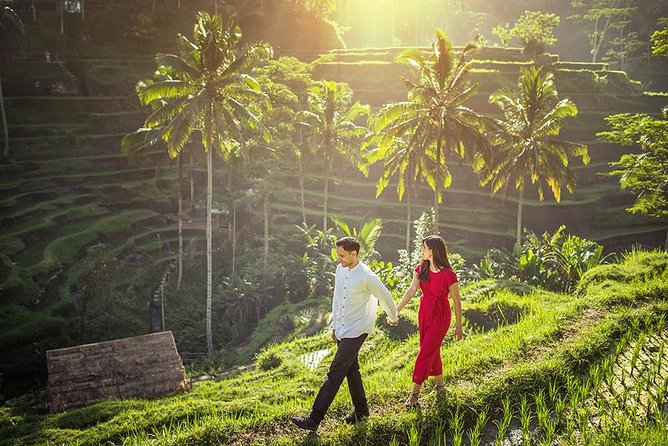
Tegallalang Rice Terrace is scheduled for one hour. Its stepped fields are tied to Bali’s traditional rice-growing system, and the terraces are one of the island’s best-known views.
I like this stop because it adds context to the scenery. You are not only looking at green tiers cut into hillsides. You are seeing an agricultural system and an old way of organizing farmland. The tour description also refers to learning about the rice-field system, so this is a place where your guide can help explain what you are seeing.
One hour is enough for the main view and photographs, but it is short if you want a long walk through the terraces. The schedule does not list optional swings or other paid activities, so do not assume they are part of the price. Enjoy the view first, then ask about any extra activity and its cost before agreeing.
Tegallalang is also a good reminder that famous scenery can come with crowds and commercial stops. The tour balances that by adding temples, villages, and a family compound, but this particular stop is mainly about the rice terraces and the traditional farming setting.
More Waterfall Tours in Nusa Dua
- Gunung Kawi Rice Terrace Swing And Waterfall Private Guided Tour
★ 5.0 · 73 reviews - Bali ATV Ride Ubud Waterfall,RiceField,River,Kingkong-Temple cave
★ 5.0 · 38 reviews - Lempuyang Gates of Heaven, Tirta Gangga Temple Swim & Jungle Waterfalls
★ 5.0 · 34 reviews - Bali ATV Ride Ubud Waterfall, Ricefield,River,Barong Cave, Lunch
★ 4.5 · 22 reviews
Tirta Empul offers a closer look at Balinese worship
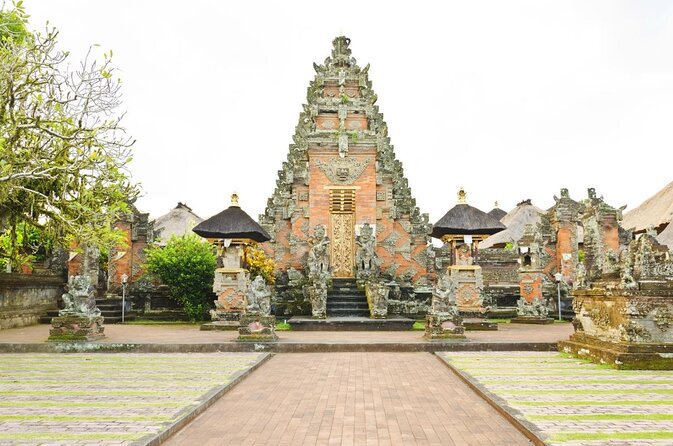
The fourth listed stop is Tirta Empul Temple, near Tampaksiring. This is a Hindu Balinese water temple with a petirtaan, or bathing structure. The schedule allows about one hour, and admission is included.
This is one of the most meaningful stops on the route because it shows religion as a living part of local life. The water features are not merely decorative. They are connected with ritual bathing and Balinese Hindu practice. Your guide can help you understand the purpose of the compound and the difference between observing a sacred place and treating it like a standard sightseeing stop.
Dress is listed as smart casual. For a temple visit, modest clothing is the practical choice. The supplied information does not specify whether a sarong is provided, so ask your driver about temple clothing before entering if needed.
There is one point to clarify before you leave: the overview also names Puseh Batuan Temple, while the detailed route names Tirta Empul. These are different temple references. Ask Bali Natural Tours which temple is included on your departure date, especially if one is more important to you than the other.
Craft villages add substance beyond the famous sights
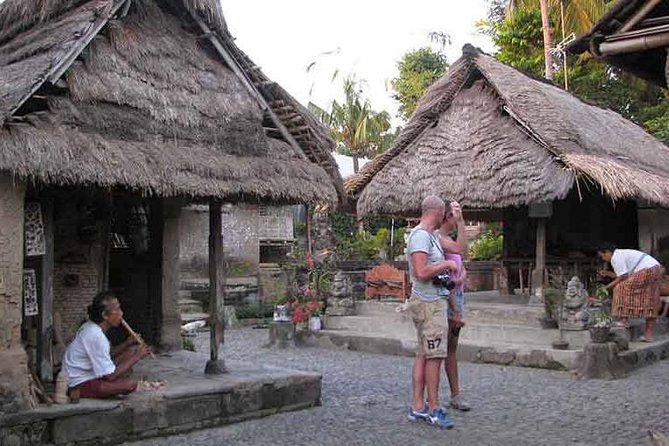
The route includes village stops connected with Balinese crafts. Tohpati is described as a village known for handicrafts and handwoven batik, with scenery around the area. Mas is identified as a traditional village south of Ubud known for wood art and carving. Another stop is described as one of Bali’s largest silver-crafting areas.
These visits can make the day more useful than a simple checklist of viewpoints. You get a look at the work behind objects sold across Bali, from textiles to carved wood and silver. The route also refers to coffee production, plantations, and a typical family compound, giving you more background on everyday life beyond temple walls.
Shopping is part of the possible experience, so set your expectations clearly. Craft stops can be interesting if you want to see how items are made, but they can also tempt you into purchases. You are not required to buy anything, and personal expenses are not included.
The available details do not give fixed times for each village, so these stops may depend on traffic and the pace of the main attractions. If you have a strong interest in batik, wood carving, or silver, tell your driver early. A private tour gives you a better chance of making your interests known than a large group departure.
The family compound and plantation visits
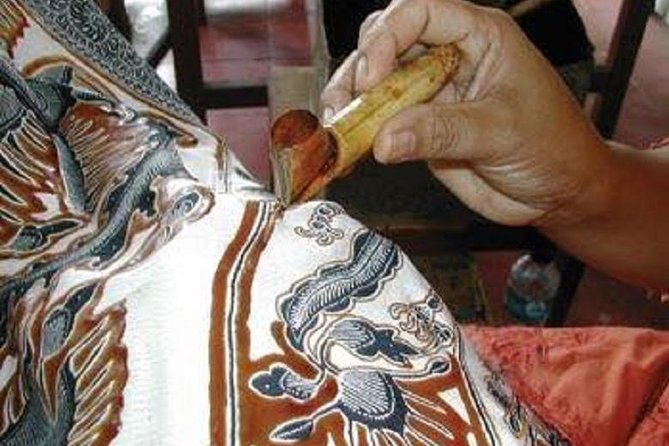
The tour description includes a visit to a typical Balinese family compound, along with plantations and coffee production. These are valuable because Bali can otherwise look like a sequence of scenic stops designed for photographs.
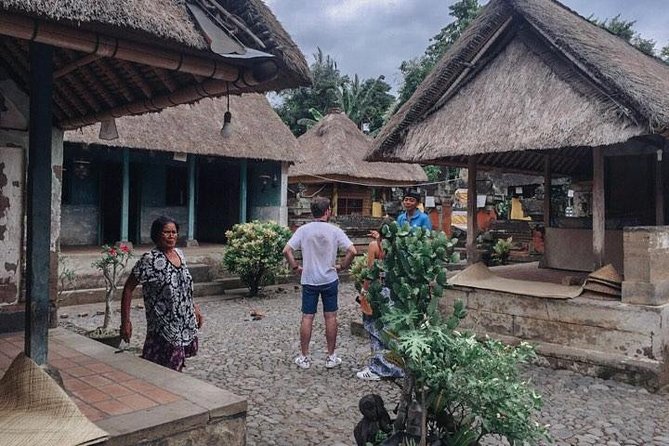
A family compound can help you understand how domestic and religious spaces fit together in Balinese life. The tour information does not give the name of the family or describe a specific demonstration, so keep the expectation general: you are being introduced to a traditional home setting, not promised a long workshop.
The plantation and coffee portion adds another everyday angle. You can learn how local products are grown and prepared, though the exact plantation, tasting details, and time allocation are not specified. If coffee matters to you, ask what is included and which purchases are optional.
Together, these visits give the day a wider purpose. The waterfall and rice terraces show Bali’s scenery. The temple shows religious practice. The villages, plantation, and home compound point toward work, family, and local production.
What the $37 price really covers
At $37 per person, this tour is priced as a broad, transport-led day rather than a luxury experience. The value depends heavily on your starting point and group size.
Included are hotel pickup and return transfer, an English-speaking driver, petrol, parking, mineral water, entrance fees, and an air-conditioned vehicle. From Nusa Dua, that bundle removes several costs you would otherwise need to arrange separately. It also saves you from negotiating separate rides between Ubud’s spread-out attractions.
Meals are not included, and neither are personal purchases or alcoholic drinks. You should budget for food during the day and any batik, woodwork, silver, coffee, or other items you choose to buy. The details mention group discounts, but no discount amount is provided.
The price looks strongest for a first visit when you want to cover several major Ubud sights in one day. It is less compelling if you already have transport, prefer long quiet visits, or want a specialist guide focused only on temples, farming, or art.
The tour is often booked about 10 days ahead, which is a useful planning signal. If your Bali dates are fixed, booking earlier is sensible. Free cancellation is available up to 24 hours before the start time for a full refund. Changes or cancellations inside that window are not accepted for a refund, and the activity requires a minimum number of participants.
Who will get the most from this route
I would choose this day trip for a first-time Bali visit based in Nusa Dua, especially if you want Ubud’s major sights without moving hotels. Families with children aged five or older can participate, provided everyone is comfortable with a long day and several stops.
It also suits couples and small private groups who value convenience. The private format means your group is not sharing the activity with strangers, and hotel pickup is available in Nusa Dua, Tanjung Benoa, Benoa Port, Sanur, Jimbaran, Kuta, Tuban, Legian, Seminyak, Tanah Lot, and Ubud.
I would be cautious if your priority is a slow cultural visit. The schedule includes many different places, and the unspecified village stops may shorten or shift depending on road conditions. You should also think carefully if walking around the Monkey Forest or visiting a temple is difficult for you. The information says most people can participate, but it does not provide detailed mobility guidance.
Cruise ship passengers can use the tour, but they must provide the ship name, docking time, disembarkation time, and re-boarding time when booking. That information is essential for judging if an eight-hour inland route fits your port schedule.
Practical tips for making the day better
Wear smart-casual clothing that covers your shoulders and knees for the temple visit. Comfortable footwear is useful for the Monkey Forest, waterfall area, rice terraces, and village stops.
Bring sun protection, a small bag, and a change of clothes if you may swim at Tegenungan. Swimming is dependent on clear water conditions, so do not count on it as a guaranteed part of the day.
Keep some spending money available for lunch and optional purchases. The tour includes bottled water but not meals. Alcoholic drinks may be purchased separately.
Ask about the temple name, the timing of the craft stops, and any expected shopping visits before setting out. The route description gives a strong outline, but not every stop has a fixed duration.
The driver is the main source of local explanation, and the provider highlights kind, helpful guidance as an important part of the experience. No individual guide names are supplied, so you cannot request a named driver from the available information.
Should you book this Ubud day trip?
Book it if you want a private, practical introduction to Ubud from Nusa Dua and like the idea of combining nature, religion, farming, wildlife, and crafts in one day. The included transport and entrance fees make the $37 price appealing, particularly for a small group that would otherwise need to arrange a driver and several tickets.
Skip it if you want one deep cultural subject, a slow photography day, or a route with plenty of unplanned time. Before paying, confirm the temple stop and ask how the village visits fit into the schedule. If you accept the full pace, this is a useful first look at the many sides of Bali beyond the beach.
FAQ
How long does the Ubud day trip last?
The tour lasts approximately eight hours. The listed start time is 8:30 am.
Where is pickup available?
Pickup and return transfer are available in Nusa Dua, Tanjung Benoa, Benoa Port, Sanur, Jimbaran, Kuta, Tuban, Legian, Seminyak, Tanah Lot, and Ubud.
Is this a private tour?
Yes. Only your group participates in the private tour or activity.
What is included in the price?
The price includes hotel return transfer, an English-speaking driver, petrol, parking, mineral water, an air-conditioned vehicle, and entrance fees.
Are meals included?
No. Meals and personal optional expenses are not included.
Can I swim at Tegenungan Waterfall?
Swimming is possible when water conditions are clear. It is not guaranteed for every visit.
What is the minimum age?
The minimum age is five years.
Can cruise ship passengers book this tour?
Yes. Cruise ship passengers must provide the ship name, docking time, disembarkation time, and re-boarding time when booking.
What is the cancellation policy?
You can cancel up to 24 hours before the experience start time for a full refund. Cancellations or changes made less than 24 hours before the start time are not accepted for a refund.
More Ubud Day Trips
- Wonderful of Ubud Private Guided Tour
★ 5.0 · 78 reviews - Best of Ubud Full Day Private Guided Tour
★ 5.0 · 52 reviews - Ubud Private Tour From Cruise Port Benoa Bali All Inclusive
★ 4.5 · 13 reviews - Full-Day Ubud Village including Mt Batur Tirta Empul and Sightseeing Tour
★ 5.0 · 9 reviews
More Monkey Forest Tours
- Bali Private Tour: Waterfall, Monkey forest and Tanah lot sunset
★ 5.0 · 12 reviews - Ubud Day Tour: Sacred Monkey Forest, Tegenungan Waterfall, Rice Terrace
★ 5.0 · 190 reviews - Ubud Monkey Forest – Rice Terrace – Jungle Swing – Water Temple
★ 5.0 · 90 reviews - Ubud Small Group Tour: Monkey Forest, Tegalalang Rice Terraces and more
★ 5.0 · 78 reviews
Just added around Nusa Dua
- Tibumana, Tukad Cepung, and Tegenungan: The Prettiest Waterfalls in Bali★ 5.0 · 3 reviews
- Royal Orchid Spa 90 Minutes Relaxing Massage.★ 4.5 · 3 reviews
- Lempuyang Gate of Heaven and City Tour★ 5.0 · 3 reviews
- Ubud Countryside Sightseeing Tour by ATV Ride★ 4.5 · 3 reviews
- Gate of Heaven and the Amazing East Bali★ 4.0 · 3 reviews
- Bali Shore Excursion: Nusa Dua Beach Half Day Tour★ 3.5 · 3 reviews
- Horse Riding on the Black Sand Beach and Free Hotel Transfers★ 5.0 · 3 reviews
- Bali Private Tour – Car with Driver★ 5.0 · 3 reviews
Monkey Forest Tours, compared.
Ubud Day Tour: Sacred Monkey Forest, Tegenungan Waterfall, Rice Terrace
Read our review →
Ubud Monkey Forest – Rice Terrace – Jungle Swing – Water Temple
Read our review →
Ubud Small Group Tour: Monkey Forest, Tegalalang Rice Terraces and more
Read our review →
Swing – Monkey Forest – Waterfall – Temple – Rice Terraces – Art Crafts
Read our review →
All Ticket Inclusive-Blue Lagoon Snorkeling-Ubud Monkey Forest & Ubud Waterfall
Read our review →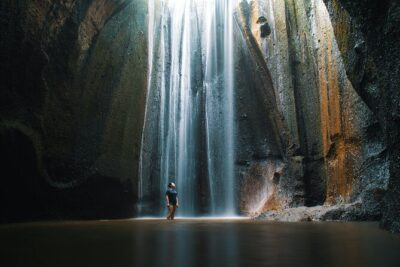
Private Tour : Bali Best Waterfalls, Temples and Monkey Forest
Read our review →
Bali Adventure ATV Quad Bike, Monkey Forest and Waterfalls
Read our review →