
Reviewed · KUTA
Balinese Village Experience
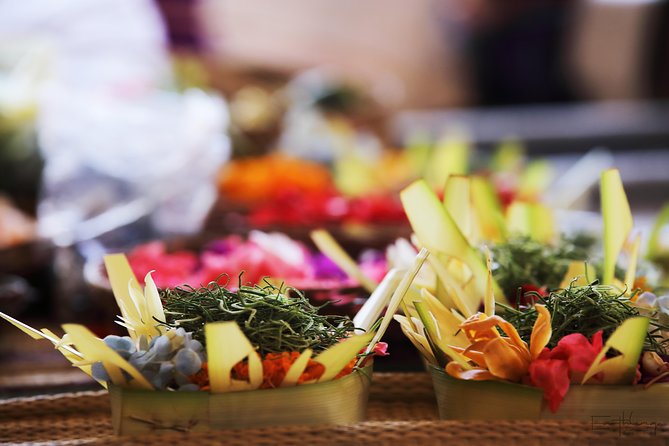
The most valuable part of this day is the invitation into a real Balinese family compound. In Pacung Sangeh, your host Wayan Eric introduces you to home life, faith, food, and daily customs in a way a quick temple stop cannot. You will share morning tea, make canang sari offerings, eat lunch at a scenic warung, and visit a sacred water temple.
I like the hands-on format, especially making the small palm-leaf offerings instead of only watching a ceremony. I also like the direct hotel pickup from most south Bali hotels, since a day outside Kuta can otherwise involve a fair amount of transport planning.
The main consideration is the fixed schedule and non-refundable booking policy. The hosted village portion is listed at about four hours, while the whole outing takes roughly seven hours with transfers and sightseeing, so check your pickup area and keep the morning free.
In This Review
- Key points to know before booking
- Why a village day can tell you more than a temple stop
- The 8:30 am pickup from south Bali
- Meeting Wayan Eric at his family compound
- Making canang sari by hand
- Balinese Hinduism explained through daily life
- The holy water temple, waterfall, and caves
- Balinese cakes, coffee, and lunch at a scenic warung
- What the $70 price includes in practical terms
- Who will enjoy this most
- Practical points to consider before you reserve
- My verdict on this Pacung Sangeh village day
- FAQ
- Where does the Balinese Village Experience take place?
- How long does the experience last?
- What time does the experience start?
- Is hotel pickup included?
- What is included in the day?
- How many people can join the tour?
- Can I cancel or change my booking?
Key points to know before booking
- A family compound visit: Meet local host Wayan Eric and learn how family life and Hindu practice connect.
- A practical cultural lesson: Make canang sari, the small daily offerings seen throughout Bali.
- Food is part of the visit: Start with Balinese cakes, coffee, and morning tea, then have lunch at a scenic warung.
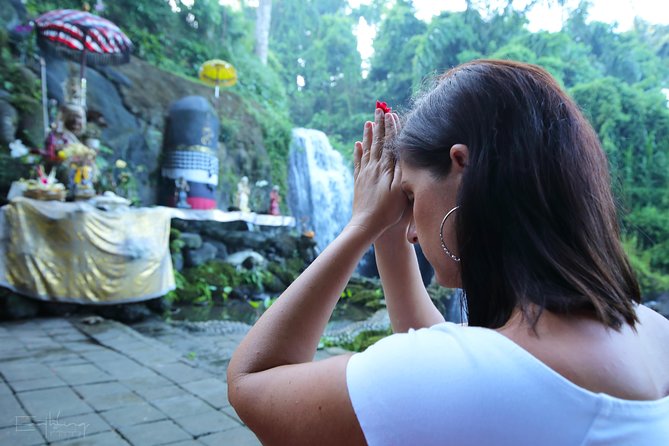
- A sacred water stop: Visit a holy water temple for a blessing ritual, with waterfall and cave scenery included in the experience.
- Small-group setting: The maximum group size is 10 people, allowing room for questions and personal guidance.
- Easy south Bali transport: Pickup and return are offered at most south Bali hotels, with an 8:30 am start.
Why a village day can tell you more than a temple stop
Bali is easy to admire from the outside. You see shrines at hotel entrances, offerings on sidewalks, and temple ceremonies in tourist areas. But those glimpses do not always explain how the pieces fit together.
This experience gives you that missing connection. You see how a Balinese household works, how offerings are prepared, and how religious practice shapes an ordinary day. The setting is Pacung Sangeh, a traditional village away from the busiest resort streets near Kuta.
I especially like that the day is built around participation. You are not simply led from one photo stop to another. You sit with a family, try a local craft, taste familiar foods, and take part in a cleansing or blessing ritual at a sacred water site.
That makes this a useful choice if you have already spent time on beaches, at resorts, or in busy shopping areas. It gives you a slower look at Bali and helps explain customs you may have noticed elsewhere.
Other Kuta days people book alongside this one:
- Nusa Penida day trip: boat, 4 snorkeling, Manta rays & Land tour
★ 5.0 · 2,033 reviews - Bali Nusa Penida West Private All-Inclusive Tour
★ 5.0 · 1,277 reviews - Mount Batur Sunrise Trekking Private Tour with Breakfast and Hotel Transfer
★ 5.0 · 885 reviews
The 8:30 am pickup from south Bali
The day begins at about 8:30 am, with pickup from most hotels in south Bali. This includes areas around Kuta and other common resort zones, though you should confirm that your particular hotel is covered before booking.
The included transport is more useful than it may first appear. Pacung Sangeh is not a place most visitors will reach by simply walking out of a Kuta hotel. Having a driver handle the outward and return journey saves you from arranging a private car, negotiating directions, or trying to match local transport with a timed cultural visit.
The total experience lasts about seven hours. The hosted village activity itself is described as roughly four hours, so the balance of the time likely covers transfers and the other stops. Allow for a full morning and afternoon rather than treating this as a short half-day appointment.
The group is limited to 10 people. That matters here. A family visit and a craft lesson work better when you can hear the host and ask questions without competing with a large crowd.
Meeting Wayan Eric at his family compound
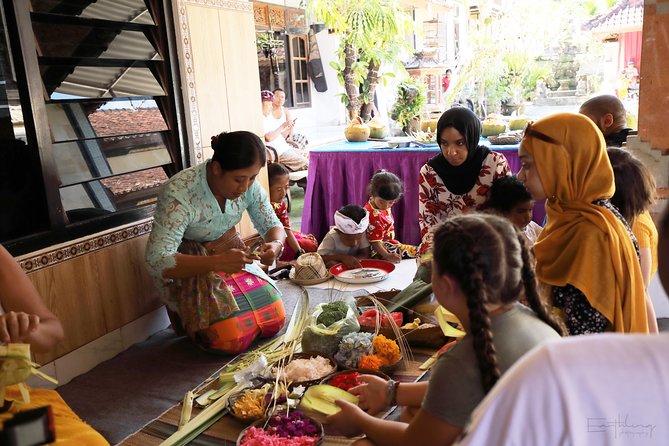
The village portion begins with a welcome at a real family compound. Your host, Wayan Eric, grew up in the village and presents the experience through his own home and traditions.
A Balinese compound is more than a single building. It is a family setting where domestic life, ceremony, and shared space meet. The important point for you is that this visit offers context. Instead of receiving a general talk about Balinese culture, you can connect the explanation to the household you are standing in.
The family welcome includes Balinese morning tea, coffee, and local cakes. This is a small detail, but it helps set the tone. Food turns the introduction into a visit rather than a lecture, and the cakes offer an easy first taste of local cooking.
I would approach this part with curiosity and respect. Ask questions about the customs being explained, but remember that you are entering someone’s home and religious world. The value comes from the personal setting, not from racing through it.
The experience has worked particularly well for families with children. The activities give younger visitors something to do with their hands, while the host can explain traditions in a clear and patient way. It is also suitable for adults who want a better understanding of Balinese Hinduism without signing up for a formal academic tour.
Making canang sari by hand
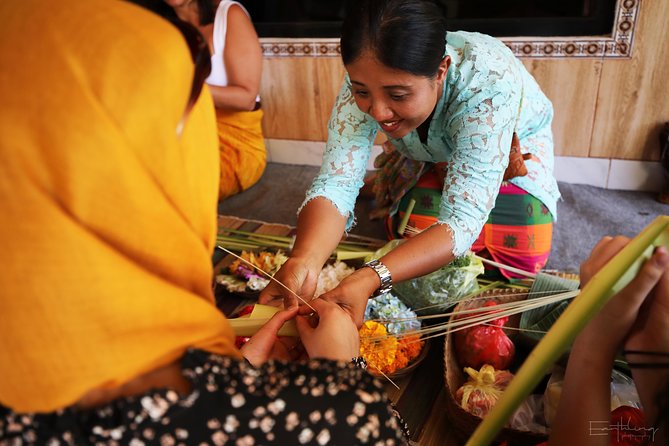
One of the day’s most useful activities is learning to make canang sari. These are the small daily offerings made from palm leaves and flowers, often placed outside homes, shops, temples, and businesses.
You may have seen them underfoot while walking around Bali. They are easy to mistake for decoration, but they carry religious meaning and form part of everyday practice. Making one yourself helps you notice the care involved in a custom that can otherwise seem like a quick gesture.
This is also where the tour becomes more than sightseeing. You handle the materials, follow the steps, and learn why the offering matters. The craft is simple enough to engage children, but it also gives adults a practical way to remember the lesson after returning to the coast.
Do not expect a long workshop focused on producing a perfect object. The point is understanding the ritual and its place in daily life. The host’s guidance is more important than your finished offering.
Same island, a completely different kind of day:
- Individual Bali Day Trip with Private Driver and Free WiFi
★ 5.0 · 755 reviews - Waterbom Bali Tickets – Single Day Pass
★ 4.5 · 620 reviews - Private Tour Mount Batur Sunrise Trekking and Natural Hot Spring
★ 5.0 · 431 reviews - Private Tour Bali Beaches and Uluwatu Temple with Dinner
★ 5.0 · 363 reviews
Balinese Hinduism explained through daily life
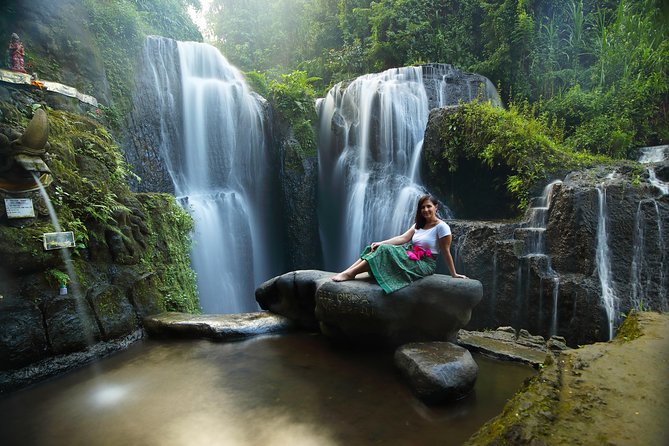
The religious side of the day is one of its strongest features. Balinese Hinduism is visible across the island, but its meaning can be hard to grasp from signs and ceremonies alone.
At the family compound, you learn how faith affects daily routines and household customs. The lesson is grounded in ordinary life, which makes it easier to understand than a broad overview given without a local setting.
The temple visit later in the day adds a second layer. You first learn about offerings and home practice, then see a sacred setting where water and ritual carry greater weight. That progression makes sense: home customs first, temple blessing second.
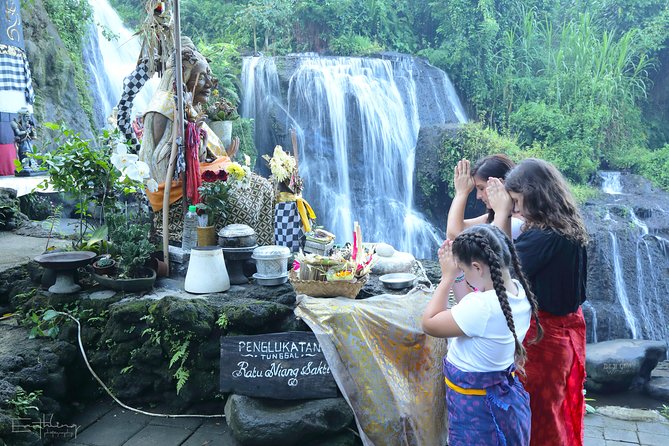
The experience is described as including a cleansing ceremony and a holy blessing. Follow the host’s instructions closely, since temple rituals are not simply tourist performances. Dress and behavior should be respectful, though the supplied information does not list a specific dress code.
The holy water temple, waterfall, and caves
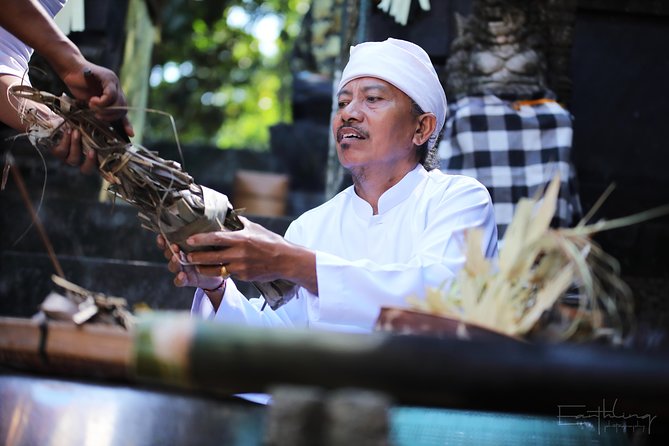
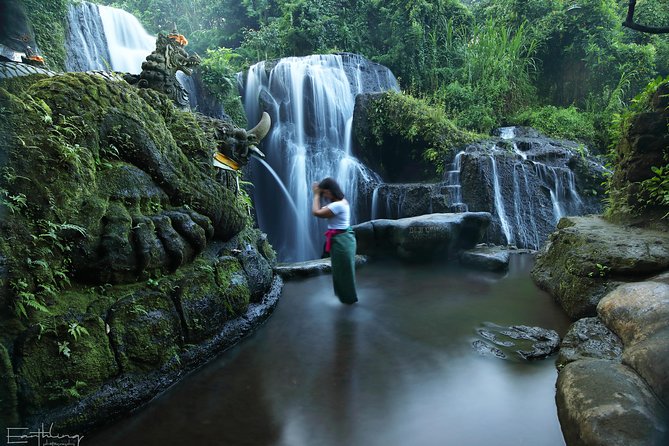
After the village and lunch, the day continues to a sacred water temple. This is the most spiritual portion of the outing and may be the part you remember longest.
The water blessing gives you a direct look at a living religious practice. It is not just another old building to photograph. The focus is on the ritual, the meaning of the water, and the way local belief connects the natural setting with worship.
The stop also includes beautiful waterfall and cave scenery. That adds visual interest, but the natural setting should not overshadow the religious purpose of the visit. You are going for both the surroundings and the ceremony.
If you prefer a purely secular village tour, this part may feel more personal or ceremonial than expected. If you want to understand how religion is practiced in Bali, it is a major reason to book.
The water stop also means you should be prepared for a change of pace. The morning centers on conversation and crafts, while the temple visit asks you to listen, observe, and take part appropriately.
Balinese cakes, coffee, and lunch at a scenic warung
Food is woven into the schedule rather than treated as an afterthought. At the family home, you have morning tea with coffee and Balinese cakes. Later, lunch is served at a scenic warung, a local-style eatery.
That combination gives you two different food settings. The morning meal is part of the family welcome, while lunch provides a more relaxed break between the village visit and the holy water temple.
The lunch is described as delicious, but the supplied details do not specify the exact dishes or whether dietary requests can be accommodated. If you have allergies or strict food requirements, ask before booking rather than assuming the menu will suit you.
A warung is usually a simpler setting than a resort restaurant. That is part of the appeal here. The meal fits the broader purpose of the day: seeing ordinary local life instead of staying inside a polished tourist bubble.
You should also think of lunch as a timing advantage. With food included, you do not need to find a restaurant during the outing or cut the village visit short to search for a meal.
What the $70 price includes in practical terms
At $70, this is not the cheapest way to spend a day in Bali. You could visit a temple or hire transport for less, especially if you are comfortable arranging everything yourself.
The value comes from the combination. The price covers approximately seven hours, hotel pickup and return from most south Bali hotels, a local host, the family visit, morning refreshments, the village activities, lunch, and admission to the included sights.
You are also paying for access that is difficult to arrange independently. A taxi can take you to a village, but it will not automatically introduce you to a local family or explain the meaning of canang sari. A standard temple visit can show you a sacred place, but it may not connect that ritual to household life.
I see the price as reasonable if you want an organized cultural day with transport and meals included. It is less appealing if you mainly want free time, a quick temple photograph, or a low-cost outing.
The small group helps protect the value. With no more than 10 people, the host has a better chance to answer questions and guide the hands-on parts without making the visit feel like a large bus excursion.
Who will enjoy this most
This experience suits you if you want to understand Bali through people and customs rather than only through scenery.
It is a good match for:
- Families with children who enjoy practical activities
- First-time visitors who want cultural context
- Couples looking for a personal day away from resort areas
- Visitors interested in Balinese Hinduism and temple rituals
- People who prefer included transport, food, and a set schedule
- Anyone who wants a smaller group instead of a large coach tour
The family format can be especially meaningful for parents and children. A hands-on offering lesson gives children a clear focus, and the cleansing ceremony adds a memorable ritual without requiring a full religious tour.
It may be less suitable if you dislike structured activities or feel uncomfortable entering a private home. The day also has a spiritual element, so it is not simply a village walk with lunch.
Practical points to consider before you reserve
The booking is non-refundable and cannot be changed for any reason. That is a serious restriction, so book only when your Bali schedule is firm.
Confirmation is sent within 48 hours of booking, subject to availability. The tour also requires a minimum number of participants. If that minimum is not reached and the operator cancels, you are offered another date or experience, or a full refund.
Most people can participate, and service animals are allowed. No specific mobility information is provided, so if you have access needs, ask the operator for details before paying.
The start time is fixed at 8:30 am. Since hotel pickup is included, keep your phone available and be ready at the time supplied for your hotel. A prompt start matters because the day includes several parts: transport, the family visit, food, the village activities, and the water temple.
Dress and temple etiquette are not detailed in the supplied information. Since the day includes a sacred water temple, modest clothing and a respectful attitude are sensible choices. Confirm any special clothing requirements directly with Bali Buddies.
My verdict on this Pacung Sangeh village day
I would choose this tour for a first or second visit to Bali when I wanted more than beaches, shopping, and standard temple photographs. The combination of Wayan Eric’s family welcome, canang sari making, local food, and a holy water blessing gives the day a clear purpose.
The strongest feature is the connection between small daily customs and larger religious practice. You begin with coffee and cakes in a family setting, learn to make an offering, then see how water and ritual shape a sacred visit. That sequence helps Bali make more sense.
The drawbacks are straightforward. The schedule is fixed, the day takes about seven hours, and the non-refundable policy leaves little room for a last-minute change. The $70 price also reflects convenience and personal access, not just admission fees.
Book it if you want a small-group cultural visit with local hosting, included meals, and transport. Skip it if you prefer independent wandering or have no interest in religious customs. For families, curious first-time visitors, and anyone staying in south Bali, this is a thoughtful way to see a side of the island that a resort day will not show you.
FAQ
Where does the Balinese Village Experience take place?
The experience takes place in Pacung Sangeh village, near the Kuta area of Bali.
How long does the experience last?
The full experience lasts approximately seven hours. The hosted village activity is listed as about four hours, with the remaining time covering transport and other parts of the day.
What time does the experience start?
The scheduled start time is 8:30 am.
Is hotel pickup included?
Yes. Pickup and drop-off are offered at most hotels in south Bali.
What is included in the day?
The experience includes village activities, a family compound visit, morning tea with Balinese cakes and coffee, canang sari offering preparation, lunch at a scenic warung, a sacred water temple visit, and two-way transfers.
How many people can join the tour?
The maximum group size is 10 people.
Can I cancel or change my booking?
No. The experience is non-refundable and cannot be changed for any reason. If the operator cancels because the minimum number of participants is not reached, you will be offered another date or experience, or a full refund.
Just added around Kuta
- Bali Sky Gate and Water Palace★ 5.0 · 3 reviews
- Bali 2 Hours Spa Packages – Refresh Your Body and Mind★ 5.0 · 3 reviews
- Bali Quad Adventure with Waterfall Tour★ 5.0 · 3 reviews
- 2 PADI Certified Dives at Tulamben from Bali★ 5.0 · 3 reviews
- Romantic Couple Treatment at ANJALI SPA★ 5.0 · 3 reviews
- Private Tour : Individual costumize route with FREE – WIFI★ 5.0 · 3 reviews
- Bali: Ubud (Temple, Spring, Rice Terraces, & Waterfall)★ 5.0 · 3 reviews
- Balinase Cooking Class and Private Ubud Day Tour★ 5.0 · 3 reviews